
Nov 5, 2026
How Do You Insulate a Container Office for Comfortable Year-Round Use?
The first step to effectively insulating a container office is knowing the aluminum shell. Steel conducts heat around 300 times quicker than wood, so an uninsulated modular office unit may go from frigid to uncomfortable in a matter of hours. The correct solution is high performance insulating layer, integrated HVAC system and a vapor barrier. Whether you're running a desert oil-field camp in Saudi Arabia or a mining operation in Kazakhstan, getting the thermal envelope right is what differentiates a productive workstation from an energy budget and morale drain.
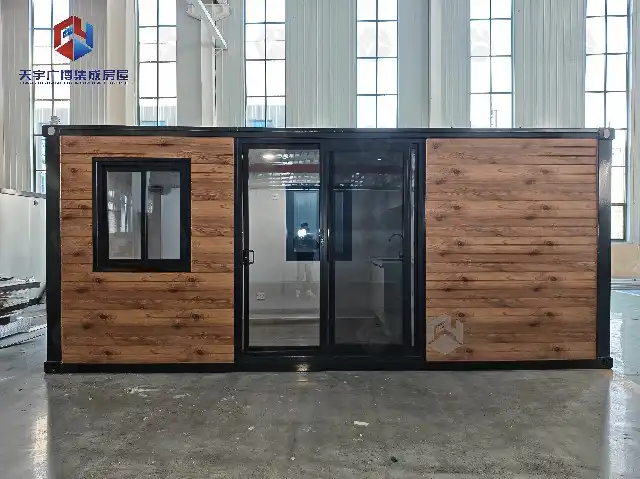
Understanding the Insulation Challenge in Container Offices
Steel-frame modular offices create specific thermal problems that traditional brick buildings simply don't have. Knowing where heat moves—and why—is the first step toward fixing it.
Why Metal Walls Transfer Heat So Fast?
The heat conductivity of steel is around 50 W/m·K, vs approximately 0.13 W/m·K for lumber. That’s a huge gap. On a 50 °C desert day, a steel wall without insulation may achieve surface temperatures of over 70 °C inside. That type of radiating heat almost makes it difficult for personnel in an oil-field project office to concentrate and sends air-conditioning loads over the sky.
Condensation and Moisture Risks
When humid, warm air is in contact with a cold steel surface, condensation develops rapidly. Otherwise moisture will cause corrosion of the fasteners, mold growth and damage to the electrical pre-wiring. This is a genuine operational concern for coastal African locations or humid Central Asian spring seasons that reduces equipment lifetime and raises maintenance expenses between rental deployments.
The Modular Joint Problem
Flat-pack and stackable container office units have panel joints, corner connectors, and door/window frames that act as thermal bridges. Heat bypasses the insulation layer entirely through these metal-to-metal connections. Addressing joints and penetrations is just as important as selecting the insulation material itself.
Effective Insulation Materials and Techniques for Container Offices
There is no single "best" insulation product. The right choice depends on climate, budget, and how many times the unit will be relocated. Here are the four most common options used in industrial modular office projects:
- Spray Polyurethane Foam (SPF): SPF is placed directly to the inside steel surface, sealing all gaps and cracks and providing an R-value of roughly R-6 per inch. It regulates condensation effectively but it is permanent and not ideal for units which need to be disassembled and assembled often at numerous project locations.
- Rigid XPS/EPS Foam Boards – Extruded polystyrene (XPS) foam offers R-5 per inch and less than 1% moisture absorption making it a realistic option for outside cladding on semi-permanent camp office structures. EPS is cheaper but will absorb a little more moisture in the long run. Rockwool (Mineral Wool) Sandwich Panels:
- The R-values for a 75 mm Rockwool sandwich panel are around R-11 to R-13 and it is Class A for fire resistance. Site-safety requirement for a Class A Fire Rating is not an option for camp offices located near fuel storage or generator sets. Reflective Foil Insulation – Used as a supplementary layer behind panels, reflective foil prevents up to 97% of radiant heat gain in the presence of an air space. It is especially effective on roof panels in strong solar radiation regions like the Arabian Peninsula.
These 4 materials are used in conjunction. A typical Middle East layout is a reflective roof layer along with 75 mm Rockwool sandwich wall panels, since it provides fire compliance and thermal comfort in one assembly. Once you pick a material, the installation process is key. Interior insulation maintains the corrugated look on the outside and is quicker to install on site. While outside insulation reduces the thermal bridge at wall seams, it increases mass for shipment. Interior insulation is preferable for units going in 40HQ containers since it maintains the external dimensions under conventional loading limitations.
Designing Container Offices for Optimal Thermal Performance
Insulation alone won't keep a modular workspace comfortable if the overall design works against it. Smart layout decisions make the insulation work harder for less energy cost.
Space Layout and Partitioning
Dividing a double-storey container office building into smaller zones—meeting rooms, open-plan workstations, and utility corridors—reduces the volume each HVAC unit must condition. Interior partition walls also slow air movement between hot exterior zones and cooled interior areas, cutting peak cooling loads by 15–20% in practice.
Ventilation Strategy
A well-placed mechanical ventilation system prevents the stale, humid air that causes condensation on inner panel surfaces. Cross-ventilation design—positioning intake vents on the shaded side and exhaust vents on the sun-facing side—creates passive airflow that reduces the HVAC load during moderate temperatures. This matters especially during the shoulder seasons in Northern Africa and Central Asia.
Energy-Efficient Windows and Doors
Double-glazed aluminum window frames with thermal breaks reduce conductive heat transmission at openings by around 50% relative to single-pane models. Rubber perimeter seals on insulated steel door panels help block air penetration, which the U.S. Department of Energy says accounts for 25 to 40 percent of the loss of heating and cooling energy in light commercial facilities.
Cost Estimation and Maintenance for Insulated Container Offices
Getting insulation right is an investment, and understanding the numbers helps justify the spend to project owners and rental fleet operators alike.
Typical Material and Installation Costs
A 75 mm Rockwool sandwich panel improvement adds around $800-$1,500 to the unit cost of a basic 20-foot modular office unit. Spray foam treatment costs $600–$1,200 for the same area, depending on thickness. These calculations are in line with industry price data from North American and Middle Eastern supply chains as of 2023-2024.
Long-Term Energy Savings
A well insulated site office may save 30-50% of air-conditioning energy usage compared to an uninsulated unit. Over a 12 month deployment in a Saudi Arabian or UAE environment, this equates to considerable generator fuel savings – frequently recouping the insulating cost within one project cycle.
Maintenance Checklist
Routine upkeep keeps insulation performing across multiple project deployments. Key tasks include:
- Every six months inspect panel joints and sealants for cracking or separation.
- Check vapor barrier integrity after every unit move.
- Replace any broken corner gaskets before redeployment to avoid moisture infiltration.
- Make sure the HVAC drain lines are clean to prevent condensate accumulating within wall cavities.
Keeping to this schedule protects the structural frame warranty and preserves the unit's resale or rental value over its service life.
Case Studies and Supplier Guidance for Insulating Container Offices
Real project data shows how insulation choices affect both comfort and operating costs across different site conditions.
Oil-Field Camp, Arabian Peninsula
For a pipeline project a 30 unit flat-pack container office camp was assembled with all wall and roof surfaces clad with 75 mm Rockwool sandwich panels. Standard split-system air conditioners maintained inside temperatures below 28 °C even when ambient outside temperatures surpassed 48 °C. The identical units were dismantled and transported to a second project location with no insulation repair needed.
Mining Site Office, Central Asia
A two-storey modular office building on a Kazakhstan copper mine was clad with XPS rigid board insulation on the outside. Ambient temperatures in winter down to -30 °C. The building was able to maintain a consistent 20 °C interior without any further electric heating beyond the pre-installed HVAC system, a strong indication of XPS efficacy in cold-climate applications.
Choosing the Right Supplier
For large orders of insulated modular office units, seek for vendors that have documented fire-resistance certificates (Class A), verified wind-resistance ratings (Grade 11 for desert storm conditions), and seismic ratings (Grade 9 minimum for earthquake-prone locations). On-site work is reduced and deployment is accelerated using pre-installed electrical and HVAC systems. Ocean grade packing for 40HQ shipping container to safeguard the panels integrity throughout extended sea trip .
Conclusion
Good insulation makes a steel box a productive work place. Choosing the correct material — Rockwool panels for fire compliance, XPS for cold regions, reflective foil for radiant heat — with clever layout design and frequent care, can guaranty year-round comfort throughout the roughest project situations. Rental fleet owners with numerous locations may save per-deployment maintenance expenses and prolong asset life with a proper insulating investment from the outset. The choice of supplier, certification requirements and pre-installed equipment directly impact your total cost of ownership throughout a project portfolio. Buyers of container offices need to consider fleet economics, weighing the choice of insulation against the frequency of redeployment, since the same unit may be used in quite different climates during its service life.
FAQ
What is the best insulation for a container office in hot climates?
Rockwool sandwich panels (75 mm) are widely used in desert environments because they combine Class A fire resistance with thermal performance around R-11. Adding a reflective foil layer on the roof surface reduces radiant heat gain by up to 97%, which significantly lowers air-conditioning demand.
Can insulation be added after a container office is already assembled?
Yes. Interior spray foam or rigid board insulation can be installed after assembly. However, it is more cost-effective to specify insulation during manufacturing, especially for units that will be redeployed across multiple project sites.
How does insulation affect shipping and logistics?
Interior insulation keeps exterior dimensions within standard 40HQ shipping container limits, which avoids the need for flat-rack or open-top containers and controls freight costs. Exterior insulation adds bulk and may require special loading arrangements.
How long does insulation last in a modular office unit?
With proper maintenance—joint sealing inspections every six months and vapor barrier checks after each relocation—Rockwool and XPS insulation systems typically perform well for the full 10–15 year structural lifespan of the unit.
Get Reliable Insulated Container Office Units from TYGB
TYGB manufactures container office solutions built for extreme climates—Class A fire-rated, Grade 11 wind-resistant, and Grade 9 seismic-rated. As a trusted container office supplier, TYGB offers batch orders from 5 to 50+ units, factory-installed HVAC and electrical systems, ocean-grade 40HQ packaging, and a 36-month structural frame warranty. Contact our team today to discuss your project specifications. Email: paulpan@tygbhouse.com.
References
1. U.S. Department of Energy. (2023). Energy Saver: Insulation. Office of Energy Efficiency & Renewable Energy.
2. ASHRAE. (2022). ASHRAE Handbook—Fundamentals: Heat, Air, and Moisture Control in Building Assemblies. American Society of Heating, Refrigerating and Air-Conditioning Engineers.
3. Oak Ridge National Laboratory. (2021). Thermal Performance of Building Envelope Systems. U.S. Department of Energy Building Technologies Office.
4. International Organization for Standardization. (2017). ISO 6946: Building Components and Building Elements—Thermal Resistance and Thermal Transmittance. ISO.
5. North American Insulation Manufacturers Association (NAIMA). (2023). Commercial and Industrial Insulation Standards. NAIMA.
6. Building Research Establishment (BRE). (2022). Modular and Prefabricated Buildings: Thermal Performance and Energy Efficiency Guidance. BRE Group.
Online Message