
Nov 19, 2026
Insulation tips for a 20ft container photo studio
The ideal insulation for a container photo studio 20ft includes continuous insulation on the walls, ceiling, and floor, a vapor-control layer appropriate to your environment, and sealed gaps around every door, window, and wire. Properly sized air conditioners and constant airflow will safeguard cameras, keep skin tones uniform and save energy consumption. I would also see how much inside space the insulation takes up. Every inch less is less distance to shoot. Below, I address materials, condensation control, HVAC, acoustics and purchase processes so you may create a studio that remains comfortable year-round.
Why Insulation Matters and How It Affects Your Floor Space?
Why a Steel Shell Needs Insulation?
Steel container is a fast heat conductor During summer, the roof and walls become heated by the sun, raising the temperature inside rapidly. In winter the cold steel sucks the heat out of the room. Warm air inside meets that chilly surface and may cool below its dew point and then the air condenses into water droplets. Moisture may damage backdrops, wet paper rolls and corrode metal over time. Cameras , laptops , strobes , LED lighting and people all contribute heat . A poorly insulated shell will cause the air conditioner to operate longer . That cranks up power costs and increases fan noise while recording. Models are comfortable and gear is protected at steady temps.
Know Your Dimensions Before You Choose Materials
The standard ISO 668 for 20ft container defines the outer dimensions and the profile of the TYGB container picture studio 20ft is: L6058 × W2438 × H2591 mm. All the wall, ceiling and floor layers within take up space. Thicker insulation is better thermally but reduces shooting distance, reduces background width, and reduces space for light stands. A typical container has an inner length of roughly 5.9 m before wall layers. So I usually ask for a design that specifies completed interior length, breadth and height. TYGB designs its container homes with an interior clear height of 2.4 m and the exact measurements are confirmed by our engineers before manufacture.
Set Clear Design Goals
Before picking any materials, I jot down six goals: steady temperature, regulated humidity, less need for air-conditioning, conserved floor space, safe electrical integration and reliable everyday operation. Every goal touches the rest. Thick foam saves energy, but loses shooting distance, and a tight container requires planned ventilation for fresh air. A pop-up operator may put travel weight and rapid set-up higher, whereas a portrait photographer might place quiet and clean daylight first. By ranking the objectives early you provide your supplier a defined aim and maintain the 3D representations near to the completed studio.

Select Materials and Build a Condensation-Control System
Compare Common Insulation Materials
There is no one material that will work for every container photo studio 20ft. Spray polyurethane foam covers odd-shaped spaces and decreases air leakage. PIR or polyurethane panels provide high heat resistance in thin layers. This saves floor space. Mineral wool is fireproof and sound absorbing, which is good for video and voice work. Reflective foil may support a broader assembly, although it typically should not replace bulk insulation. Compare R-values from tests using techniques such as ASTM C518, with fire classification, moisture behavior, installation cost and availability locally. If you only choose by price or thickness alone you will frequently regret it. So always ask each provider for the data sheet.
Stop Thermal Bridges and Moisture
The wall conducts heat directly via the steel ribs, corner posts, roof beams, door frames, windows and floor edges. These thermal bridges produce chilly places where condensation will occur. Continuous insulation, thermal breaks, and sealed seams help. Building science research has shown that air sealing is just as important as insulation since air leakage via gaps may convey significantly more moisture into a wall than vapor diffusion alone. Place the vapor-control layer based on your climate, and add ventilation or a dehumidifier in areas of excessive humidity. A protective coating on the steel prevents any moisture that may form from causing corrosion.
Treat the Roof, Floor, and Openings
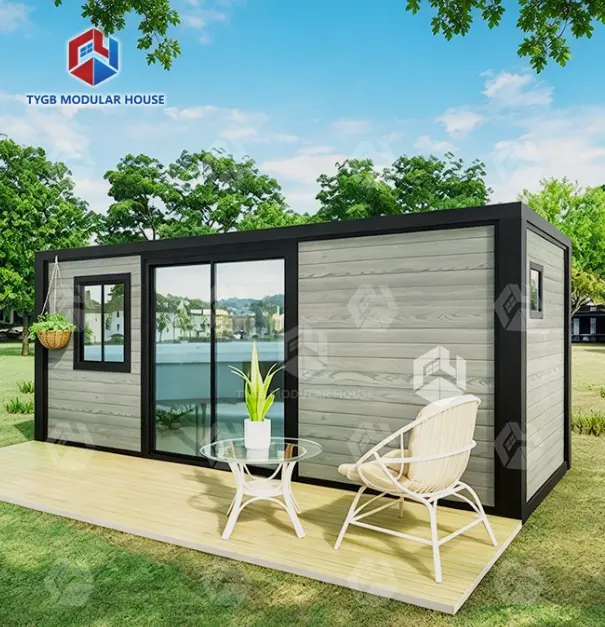
The roof gets the most sun, so it requires good insulation and, if you’re in a hot climate, light-colored or reflecting paint. The edges of the floors also lose heat and the PVC floor must be on a properly formed layer. Openings are the weakest spots. The TYGB studio has wide sliding windows for daylight. The thermal break in the bridge-cut aluminum door controls heat transfer through the frame. Check glazing, gaskets, shading and blackout shades, since a daylight admitting window should seal tight when you shut it. Ask your supplier for roof, floor and window features in the cross section.
Integrate Ventilation, Air Conditioning, Lighting, and Acoustics
Size the Air Conditioner and Ventilation
Calculate the cooling load based on the actual equipment in use: humans, cameras, laptops, LED lighting, solar gain and other devices. The huge air conditioner cools quickly and then cuts off before removing enough moisture, leaving the space chilly and damp. Inverter systems do a better job of adjusting output and component loads. A dehumidifier helps in humid areas. The TYGB studio already has air conditioning, 2 exhaust fans and can accommodate 2 to 3 persons. Seal any openings for ducts and cables so air cannot bypass the insulation. Verify the kind of refrigerant and servicing access at your destination.
Match Lighting and Electrical to Your Market
Large sliding windows provide soothing sunshine, and built-in LED ceiling lights provide variable fill in a container photo studio 20ft. LED fixtures usually give out less heat than tungsten bulbs, which is good for temperature stability. Blackout blinds and insulated glazing help you manage light and heat when you require constant exposure. For the Australian market, prepare for 120/240 V, 60 Hz electricity and wiring to NFPA 70 and local requirements. The studio is fitted with electrical and network infrastructure for strobes, monitors and tethering. TYGB experts check local code and voltage requirements before signing off on designs.
Control Noise and Interior Finishes
A sealed steel shell already blocks most of the street noise, and TYGB evaluates its products for sound insulation. To minimize echo while doing interviews, livestreams or voice-overs, layer in thick wall and ceiling layers, gasketed doors, sealed vent apertures, and soft acoustic panels. Select durable, cleanable, low-reflection finishes and neutral hues so that your subjects do not pick up wall tint. The PVC floor is easy to clean after spills or product shooting. Allowance for overhead lighting, floor strength for rolling cases and access panels for servicing. Never let sound treatment leave you no space around tripods and tables.
Compare Build Methods and Use a Procurement Checklist
Factory-Built vs. On-Site Conversion
You can change it on site but the quality may vary, it’ll take longer and it’s tougher to control. Factory constructed manufacturing ensures consistent assembly inspection and integrated installation of HVAC lighting electrical systems and finishes. TYGB has a spare-parts zone, welding workshop and coating workshop, CNC forming and bending equipment and two automated production lines. We accept bespoke small-batch orders, provide floor plans and 3D representations, and tweak the designs until you approve them. Lead time is 4–5 weeks, depending on order volume. You can witness the work up close or on screen during factory and demo-house visits, including video tours.
New vs. Used Shells, and 20ft vs. 40ft
Used shells are cheaper at first but may have rust, stink, broken flooring, dents or residue from previous cargo. New shells provide a cleaner starting point for a studio where people labor for hours. And size matters. A 20ft unit that ships and sites simply and is suited to product, portrait and content work. More storage and greater firing distance. 40ft unit or linked modules. Look at transit, site access and potential development as a whole. TYGB container homes are designed to fit inside regular container loading limitations, which means no flat-rack or open-top freight and helps reduce shipping cost.
Procurement Checklist and Final Decision
A written brief keeps quotes comparable. Here is what I send and what I ask for in return:
- Your brief: Intended use, destination, climate, voltage, site access, operation hours, equipment load, budget, timeline and who is responsible for unloading and local finishing. When all suppliers quote on the same scope, you are comparing genuine proposals, not assumptions. Small orders are treated the same as big purchases.
- Supplier documentation: Request cross sections of walls, roofs and floors; insulation type and thickness; thermal resistance information; fire certification; vapor-control information; thermal-bridge treatment; HVAC information; service layouts. Check warranty terms as well. 36 months on the structural frame and 10 months on worn components via TYGB.
These steps show whether a factory understood your design. The best insulated studio balances thermal performance, humidity control, usable space, sound quality, energy use, and total project cost.
Install, Inspect, and Match Insulation to Your Use Case
Inspect and Maintain the Insulation
Check the insulation of a portable artist atelier before the interior finish covers it. Look for continuous covering, proper fitting of panels, sealed joints, treated steel ribs, protected penetrations, and continuous vapor control layers. Photograph concealed work for future maintenance and warranty claims. Post-delivery: inspect for water ingress, cladding damage, gaps and unsealed openings; monitor temperature and humidity over the first months. For bigger jobs, a thermal imaging or air-leak test will do better. Maintenance is easy: replace the HVAC filters, check the seals, search for corrosion, examine the roof, and monitor humidity. TYGB offers installation instructions via documentation, video and online engineer help, and maintenance guides.
Match Specifications to How You Shoot
Product and e-commerce photographers need consistent temperatures, dust management, blackout capabilities, cleanable surfaces and compact insulation that maintains shooting distance. Sound absorption, silent HVAC, sealed doors and ceiling support points are needed for portrait, interview and video makers. TYGB is available in unique colors to match your brand outside, and provides sturdy, lightweight solutions that pop-up and mobile operators need to endure relocation. Locations that are hot, chilly, humid or coastal need climate-specific vapor control, roof insulation, sun protection, heating or dehumidification and corrosion-resistant equipment. Tell your provider the description that describes you best.
Avoid Common Insulation Mistakes
The biggest error is to choose insulation based on price just. Another option is to insulate simply the sidewalls and not the roof, floor, steel frame, corners, doors, windows and cable apertures. Buyers often neglect life cycle expenses, such as air-conditioning consumption, maintenance and service life. Close the walls only after the routes for the electrical, lighting, ventilation and air-conditioning are definitive, since it takes time to re-open them. Finally, look into fire, energy, electrical, ventilation, accessibility and permitting codes for where the studio will be located. The IECC specifies energy standards per climatic zone and the edition to apply is determined by local authority. TYGB container dwellings are rated as fire-proof Class-A.
Conclusion
Insulation, vapor management, HVAC, lighting and sound treatment all work together as a system to keep a container photo studio 20ft comfortable. Steel is a heat conductor and attracts condensation, thus continuous insulation, thermal-break details, air sealing and humidity management are more important than any one material. Due to the restricted inside area, a trade-off must be made between thickness, firing distance, ceiling clearance, and access to equipment. Factory-built structure, precise drawings and a documented brief make quotations comparable and minimize surprises; inspection before the walls close safeguards the product. The correct option varies on climate, fire and electrical rules, noise and how you shoot, so match each demand to published specs.
FAQ
Q1: How thick should the insulation be?
A: Not all sites have the same thickness. It is contingent upon the environment, the demands for fire and sound, the budget, and the interior space you can afford to give up. Request heat resistance data, not a thickness number.
Q2: How do I prevent condensation?
A: Continuous insulation, air sealing, proper vapor management, ventilation, and humidity control. The steel ribs and the holes are the weak areas.
Q3: Should I rely on daylight or LED lighting?
A: Use both. Sliding windows give soft daylight, while LED lights give steady output when the sun changes.
Q4: Is a used container suitable?
A: It can work, but inspect for corrosion, odor, floor damage, dents, and past cargo residue. A new shell is the safer base for a studio.
Q5: What should a quotation include?
A: You are going to need cross sections, insulation type, fire certification, HVAC and electrical specs, delivery terms, warranty and installation support.
Request a Custom Container Photo Studio 20ft Specification from TYGB
TYGB is a container photo studio 20ft manufacturer with in-house R&D, custom layouts, 3D renderings, and a 4–5 week lead time, depending on order volume. Send your use case, destination, climate, voltage, and layout ideas to paulpan@tygbhouse.com, and our engineers will prepare a project-specific specification and quotation.
References
1. International Organization for Standardization, ISO 668: Series 1 Freight Containers – Classification, Dimensions and Ratings, 2020
2. International Code Council, International Energy Conservation Code (IECC), 2021
3. ASHRAE, ASHRAE Handbook – Fundamentals, 2021
4. Building Science Corporation, Building Science Digest 163: Controlling Cold-Weather Condensation Using Insulation, 2011
5. ASTM International, ASTM C518: Standard Test Method for Steady-State Thermal Transmission Properties by Means of the Heat Flow Meter Apparatus, 2021
Online Message