
Nov 17, 2026
Expandable living container plumbing systems explained
The plumbing system for the expandable living container is equipped with supply lines, drains, vents, traps and fittings factory-installed to carry clean water in and wastewater out. A correctly designed expandable living container keeps pipes out of folding joints and movement zones, pressure tests each line before shipment, and leaves just the final water, sewer or septic connect ups for the site. In this book I describe the pieces, materials, layouts, pricing and supplier checks so design studios, boutique developers and owners may plan each unit precisely. I do U.S. work where every choice is impacted by local rules and inspections.
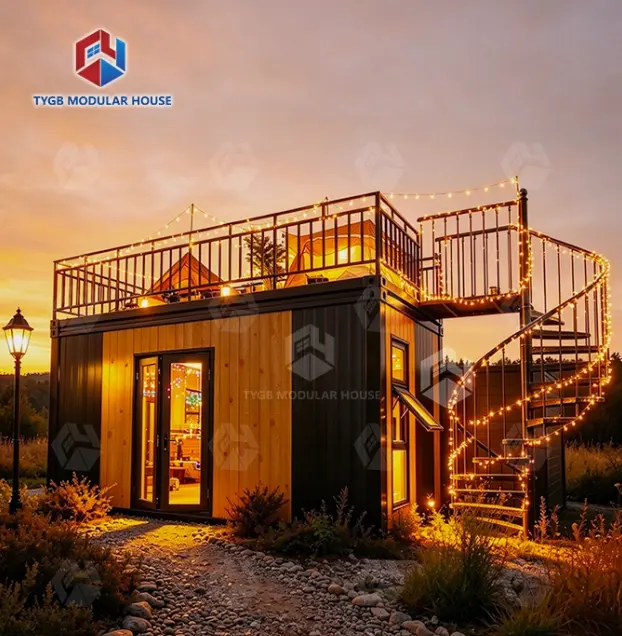
How an Expandable Living Container Plumbing System Works
What Is an Expandable Living Container Plumbing System?
The system services the kitchen, bathroom, laundry, water heater and utility rooms. On the supply side there is a primary inlet, shut-off valves, filter, pressure regulator, supply pipes and fittings. On the drain side are traps, drain lines, vents and a connection to a sewer or septic tank. The internal components are installed by the manufacturer and the outside connections are completed by the site team. Since the item is folded for transportation and opened upon arrival pipe paths must be free of structural joints and movement zones. Layout sizes vary from a single bathroom residence to a multi-unit, off-grid community with shared tanks.
Key Components and Materials Used in Expandable Container Plumbing
Supply lines often employ PEX, PPR, CPVC, copper, or multilayer composite pipe. Each choice balances flexibility against corrosion resistance, temperature rating, service life and simplicity of installation. ASTM F876 covers PEX tubing. Most U.S. regulations require conformity with NSF/ANSI/CAN 61 for portions that contact drinking water. Drain lines are made of PVC or HDPE . Traps , cleanouts , vents and floor drains manage backflow and smells . Cold, coastal, desert and humid environments need insulation, UV protection and covered service cavities. " always ask suppliers to put the exact pipe material in writing, because inspectors will check it."
How Plumbing Is Integrated During Expandable Container Construction?
Good integration begins even before manufacturing. The manufacturer will assess occupancy, floor layout, water pressure, local regulations, climate, wastewater conditions and utility access and deliver coordinated drawings and a bill of materials. Crews install bath or kitchen sets or pre-fabricated pipes in walls, flooring or service areas. They keep joints free of stiff pipe and secure fixtures and flexible connections against vibration during shipment. Upon delivery, the crew extends the unit, levels it, connects site utilities, and checks pressure, leaks, drainage flow, ventilation, and fixtures before handover. At TYGB, R&D issues the manufacturing bill of materials before scheduling starts.
Planning Plumbing for Floor Plans and Site Conditions
Plumbing Requirements for Different Expandable Living Container Floor Plans
Plumbing demands for an expandable living container differ based on floor design, occupancy and number of fixtures. The finest compact single-story apartment has the bathroom and kitchen share one wet wall, which eliminates pipe runs and leak sites. A "family" design should have enough hot-water capacity, drain flow, ventilation, and service access to permit simultaneous usage. Two-story designs include vertical drain stacks, covered risers, ventilation and pressure control for top fixtures. Units may be side-by-side or two floors high with extra structural columns and outside staircases, TYGB says. In addition, multi-unit sites require shared distribution lines, zone shut-off valves, and access for inspection.
How to Choose an Expandable Living Container Plumbing System?
Price alone does not determine the optimal system. Begin with daily and peak water use, occupancy, fixture count, water supply, wastewater treatment, climate and local restrictions. Need to keep cold places from freezing. Fittings resistant to corrosion for coastal areas. Remote installations need easy maintenance, spare parts and appropriate pumps, tanks or septic systems. In the United States, there are two primary model codes, the International Plumbing Code from ICC and the Uniform Plumbing Code from IAPMO, and each state or city selects which one applies. Factory built plumbing speeds up site work and provides consistent quality. Field installed plumbing provides more flexibility. The manufacturing route benefits from repeat business.
Common Problems and How to Prevent Them
Most failures are due to lack of co-ordination, damage in transportation, inadequate protection or hurried commissioning. When a system is expanded, the leaks tend to occur at the flexible connections, seals and loose fittings. Leak testing is important since the U.S. Environmental Protection Agency estimates residential leaks may lose roughly 10,000 gallons of water per year. Pipes may rupture in freezing conditions without winterization and insulation. Slow drains and smells are often a sign of improper slopes, plugged traps, insufficient venting or no cleanouts. Low pressure or sluggish hot water are commonly caused by small pipes, poor pumps, or lengthy lines. Coordinated drawings, accessible valves, factory testing and explicit maintenance instructions mitigate each of these dangers.
Comparing Options, Costs, and Suppliers
Expandable Living Container Plumbing vs. Other Housing Solutions
The plumbing in each of these housing types is different: a standard prefab, a converted shipping container, and a modular structure. The expandable living container ships small, expands to more useable area than a typical shipping container and comes with plumbing fully routed, reducing site work and scheduling risk. Permanent modular houses may provide greater design flexibility for high-specification projects but sometimes need broader transport loads or bigger foundations. With TYGB, one 40HQ container can hold two 20FT units. Don't just compare unit pricing, but compare total installation cost including the cost of factory work, freight, utilities, local labor, access and service life.
How to Estimate Plumbing Costs?
Plumbing cost covers internal pipes, fittings, valves, fixtures, water heaters, pumps, tanks, drain parts, factory labor, testing, packing, freight, site installation, foundations, permits and outside utility work. Cost per square foot might be misleading, since a tiny flat may include a complete bathroom and kitchen. A more accurate measure is the cost per unit, per bathroom, per occupant, or per completed installation. I recommend that U.S. purchasers ask for an itemized price that breaks down factory supply, shipping, installation, commissioning, duties and taxes, and alternatives such as septic treatment or off-grid water storage. A transparent quotation also allows your owner to compare offers on an equal basis.
Working With an Expandable Living Container Manufacturer or Supplier
A good supplier will indicate manufacturing capacity, expertise in export, quality control and previous projects. TYGB has more than 10 years of manufacturing experience, with an annual output of over 3,000 units and exports to more than 50 countries. Design teams should ask for general arrangement drawings, plumbing layouts, hook-up diagrams, fixture schedules, material specifications, test records and installation instructions and certifications.
Agree local codes, sample approval, inspection milestones, packing, shipping conditions, commissioning tasks and replacement parts beforehand. The ICC/MBI 1200 standard for off-site construction offers teams a common point of reference for planning and fabrication. TYGB will provide you floor designs, 3D renderings, and material specifications, revising drawings until you sign off, which may cut down on back-and-forth before production.
Final Checklist for a Plumbing Project
Before You Order
Check water supply, waste disposal. Check occupancy, peak demand, fixture positions, pipe runs, climate protection, municipal restrictions, etc. 1. One project brief to provide with your supplier that includes all of these items: Number of units, size, number of bathrooms and kitchens, laundry requirements, water pressure, delivery timing, and customization aspirations. Now is also the time for design partners to finalize cladding, glass color and cabinet selections, as finishes may impact wall build-ups and service access. A detailed brief will allow engineers to price the job by considering its viability against your climate and codes. It also reduces revision rounds.
At the Factory
Ask the manufacturer of an expandable living container to record pipe materials, pressure test hidden lines, verify drain flow and venting, identify each connection point and safeguard fixtures for transit. Ask for images or video of these steps, and test records. TYGB has stringent quality control with thorough pre-shipment testing and invites factory tours, demo-house visits and virtual tours via video chat. Design teams may see the construction, in person or on screen, and check tolerances and finishes before shipping the device. Then the item is packaged in ocean-grade shock-resistant packaging to safeguard during sea freight.
On Site and at Handover
On site, ensure that the foundation is level, the structure is locked, exterior connections are tight and joints still seal after expansion. TYGB guideline requires firm flat ground, concrete slab or adjustable steel piles with the 6-8 load bearing points level. Then run each fixture under regular use . The handover should contain test records, maintenance manuals, warranty data and necessary spare parts. TYGB provides installation instructions in many languages, accessory lists, certifications and test results as well as remote advice via illustrated and video tutorials and online engineer help.
TYGB Expandable Living Container Plumbing Features
What Arrives Pre-Plumbed?
The TYGB extendable living pod is move in ready, pre-wired, pre-plumbed and fully furnished. Each apartment has a bathroom with toilet and a glass sliding shower, kitchen cabinetry and aluminum double glazed sliding doors and windows. The manufacturer completes all the piping, wiring and fittings, so the site work consists of leveling the ground, installing the unit on its load-bearing locations and connecting external utilities. No wet trade labor required on site. TYGB also incorporates its own wall and floor waterproofing solutions to achieve water-tightness in moist locations.
Models, Sizes, and Customization
The TYGB extendable living pod is move in ready, pre-wired, pre-plumbed and fully furnished. Each apartment has a bathroom with toilet and a glass sliding shower, kitchen cabinetry and aluminum double glazed sliding doors and windows. The manufacturer completes all the piping, wiring and fittings, so the site work consists of leveling the ground, installing the unit on its load-bearing locations and connecting external utilities. No wet trade labor required on site. TYGB also incorporates its own wall and floor waterproofing solutions to achieve water-tightness in moist locations.
Structure, Insulation, and Support
The TYGB extendable living pod is move in ready, pre-wired, pre-plumbed and fully furnished. Each apartment has a bathroom with toilet and a glass sliding shower, kitchen cabinetry and aluminum double glazed sliding doors and windows. The manufacturer completes all the piping, wiring and fittings, so the site work consists of leveling the ground, installing the unit on its load-bearing locations and connecting external utilities. No wet trade labor required on site. TYGB also incorporates its own wall and floor waterproofing solutions to achieve water-tightness in moist locations.
Conclusion
Good plumbing in an expandable living container is a function of early design, not late repairs. Supply, drain and vent lines should be of clearly specified materials, should be adapted to the environment and should prevent folding joints. Shared wet walls in floor layouts save pipe runs, and multi-unit locations need zone valves and service access. Factory installation and testing speeds site work. Buyers still must examine local regulations, itemized bids, drawings and test documents. To get a realistic assessment, compare total installation cost not unit pricing. Checklists at order, production and site phases discover leaks and sluggish drains before handover. Pre-plumbed units minimize site work to leveling and utility hook-up.
FAQ
Q1: Does an expandable living container come with plumbing installed?
A: TYGB units are pre-plumbed and have a bathroom and kitchen cabinet installed. Site staff tie in the water, sewer or septic lines on the outside.
Q2: How do I protect plumbing during shipping?
A: Do not use stiff pipe in folding joints, anchor fixtures and flexible connections; factory test. TYGB also employs ocean grade shock proof packing.
Q3: Can the unit handle cold climates?
A: Deployments as low as -40°C are supported by TYGB with 75 mm or 100 mm PU panels and double glazed Low-E windows. Check with your engineers on pipe freeze prevention for your location.
Q4: Can I customize layouts and finishes?
A: Yes. Layouts, height, cladding, deck, roof, trailer, glass color, kitchen, and cabinets are optional. Engineers revise drawings until you confirm.
Q5: What should a plumbing quote include?
A: Request itemized pricing for internal plumbing, external utilities, pumps, tanks, septic options, installation, testing, and warranty.
Request Your Expandable Living Container Plumbing Proposal from TYGB
Send your floor plan, site details, and unit count to TYGB at paulpan@tygbhouse.com. As an expandable living container manufacturer with in-house R&D, we return layouts, 3D renderings, material specs, and an itemized quotation, then revise drawings until you approve. Production takes 4–5 weeks, depending on volume. Let's plan your next project together.
References
1. International Code Council, International Plumbing Code, 2021.
2. International Association of Plumbing and Mechanical Officials (IAPMO), Uniform Plumbing Code, 2021.
3. NSF International, NSF/ANSI/CAN 61: Drinking Water System Components – Health Effects, 2023.
4. ASTM International, ASTM F876: Standard Specification for Crosslinked Polyethylene (PEX) Tubing, 2020.
5. U.S. Environmental Protection Agency, WaterSense: Fix a Leak, 2023.
6. International Code Council and Modular Building Institute, ICC/MBI 1200 Standard for Off-Site Construction: Planning, Design, Fabrication and Assembly, 2021.
Online Message