Nov 25, 2026
Double portable toilet with integrated solar lighting system
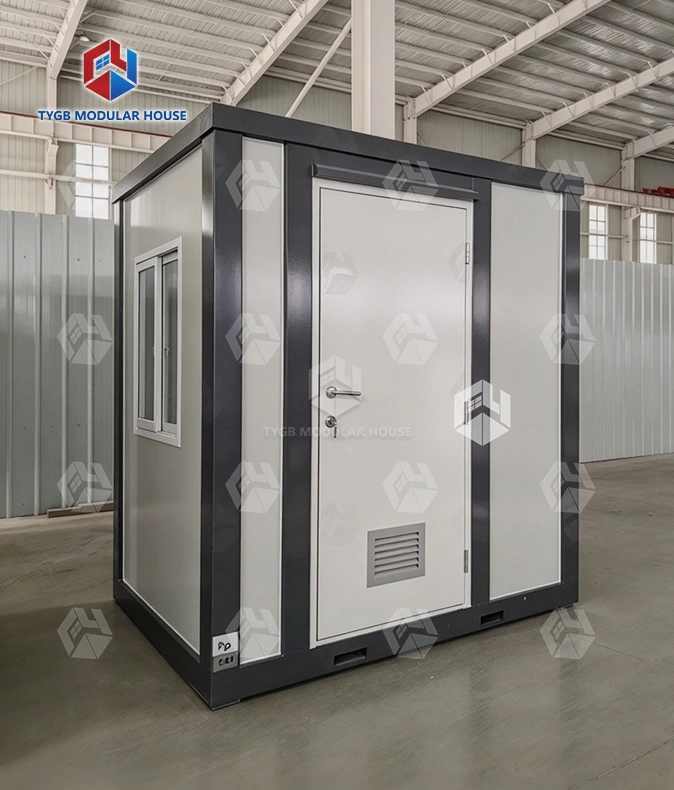
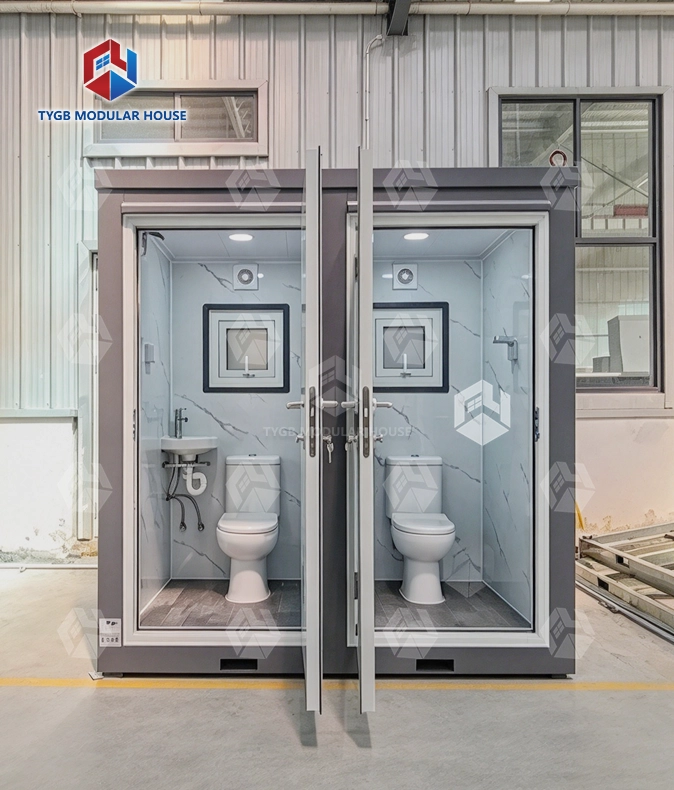
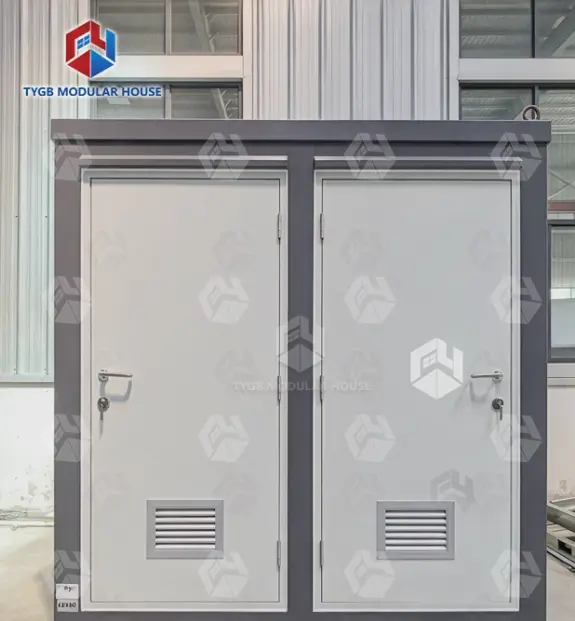
A double portable toilet with a solar lighting system is a portable toilet that has two private stalls built into one structure. Users can see at nite without a generator or cable run thanks to a solar panel, battery, and LED lights on the roof. It helps twice as many people as a single stall with just one delivery and one placement. It cuts down on wait times for rental companies at events, parks, camps, and construction sites. Here, I explain how the unit works, what to measure, how to set it up, and how to buy it.
Why Choose a Double Portable Toilet with Integrated Solar Lighting?
Two Stalls Cut Lines Where Demand Peaks
When one stall serves a busy construction site, wedding, or festival, lines form quickly. A double portable toilet has two private, fully enclosed stalls for two people inside the same steel-frame unit. This means that the same space can handle twice as much traffic. Every stall has its own door, air flow, and fixtures. That means that a rental company only needs to come make one delivery, one placement, and one connection to the waste treatment plant instead of two of each. At the end of a job, your crew also cleans, loads, and keeps track of fewer units.
How Solar Lighting Changes Night Use
Many places outside are hard to get to when you need power. A solar panel on the roof charges a battery during the day, and at nite, LED lights light up the front door and the inside. This takes away the extension cords and generator fuel. A dark stall makes people less likely to use it and raises safety concerns at events in the evening. Adding lighting protects both the comfort of users and your rental's reputation. At TYGB, we talk about lighting arrangements when we do custom design. Before the drawings are final, our engineers look at how feasible they are based on your site and climate.
Where the Unit Fits in a Rental Fleet
This unit works well for camps, events, parks, cities, and construction sites. It can be moved by a forklift or crane, so one unit can be used for a wedding on Saturday and a construction site on Monday. The steel shell can stand up to dust, rain, and daily use. It also answers a common question about plastic shells: can they get weak after being in the sun for a long time? The finish is neat and clean, which is important in public places.
What Is a Double Portable Toilet and How Does It Work?
Structure and Core Features
You can clean up on your own with a double portable toilet, which has two separate stalls inside a steel shell. Each stall has its own doors, air flow, and fixtures. The unit is rated for earthquakes, wind, and water, and it doesn't need to be taken apart to move it. It is built by TYGB, which used to be known as Hebei Tianyu Guangbo Integrated Housing Co., Ltd. They have more than 10 years of experience with modular structures. As a project moves, its sanitation needs often change, so a steel unit that can be moved fits that pattern.
Parts of the Solar Lighting System
A common solar lighting system includes a panel on the roof, a battery that can be charged, LED lights, wiring, and a controller or sensor. Get information about the panel's wattage, battery voltage and capacity, lighting runtime, waterproofing, and cable protection before you agree to a quote. This is for projects in Australia or New Zealand. Find out which parts of AS/NZS 3000 (the Wiring Rules) and AS/NZS 5139 (battery systems) apply to the battery and the lighting circuit. A finished design is different from a loose add-on when these questions are asked.
From Entry to Waste Treatment
People use a separate stall, lock the door, and use a switch, sensor, or timer to turn on the light. As the day goes on, the panel charges the battery. The stored energy runs the LEDs at nite. You can pick a method for treating waste that works best for your site because it is flexible. In cloudy weather and when there is a lot of use, ask for runtime data. A sealed treatment, ventilation for each stall, and regular maintenance keep smells under control. This is important because smells are a common complaint in rental work.
Dimensions, Capacity, Installation, and Maintenance
Dimensions, Capacity, and Weight Checks
Size and weight affect how you drive, choose a forklift, and load containers. Ask for a drawing that shows the outside measurements, stall size, door clearance, empty weight, and operating weight. Count up the weight of the battery and the panel. Not a number on a sheet, but the number of people who will be using the trash and the number of service visits. Here are the specs that have been confirmed:.
| Specification | Details |
|---|---|
| Stalls | 2 |
| Structure | Steel shell |
| Mobility | Forklift or crane |
| Waste treatment | Flexible options for different sites |
| Customization | Stall layout, disabled access, custom design |
| Production lead time | 4–5 weeks |
| Warranty | 36 months (frame), 10 months (wearing parts) |
Installation Requirements
Make sure the two-station event restroom is set up on a firm, level, well-drained surface that has room for a forklift or crane and doors for service. Builds, trees, or temporary structures should not block the sun from the solar panel. If you are in a windy place, ask our engineers if you need to anchor something. The unit is easy to set up and can be used right away. TYGB gives you installation guides in multiple languages, video or illustrated instructions, and online engineer support so that your team can set up without having to go to the factory.
Maintenance Routine
Checks are done every day and every week on things like cleaning, trash, supplies, locks, ventilation, floors, and doors. Clean the panel, test the battery, look at the LEDs, and check the cables for the solar system. A written schedule helps a fleet keep itself clean at all sites and notice signs of wear early. TYGB offers spare-part lists and maintenance manuals, and original replacement parts will always be available. Parts that wear out come with a 10-month warranty, which gives your team plenty of time to report issues.
Comparison and Procurement Choices
Double Unit Versus Single Units and Trailers
There is a double unit in the middle of the single portable toilets and the restroom trailers. It makes delivery, placement, and layout easier than with two single units. One problem can affect both stalls, so service access is what you give up. It needs less infrastructure and fewer connections for water, drainage, and power than trailers. It does not have as many comfort features, though. Generators are used less when solar lighting is used. If you have a lot of users, an event, a long project, or limited space, you should choose.
Selecting a Unit for B2B Procurement
Start by listing the users you expect, the peak demand, the length of the project, how often you plan to move, the climate, and the terrain. Then compare not only the price tag but also the total cost of ownership. Include delivery, unloading, servicing, replacing parts, and a warranty. If you rent something, low prices can be tough, but a unit that wears out quickly costs more per year of service. TYGB has a building that's over 30,000 m² and makes over 3,000 units a year. I think you should send a short technical questionnaire to suppliers so that all of their quotes cover the same ground.
Where Solar Sanitation Is Heading
For fleets with more than one location, an integrated double portable toilet can work with handwashing, battery monitoring, and waste-level sensors. Trends in Photovoltaic Applications, a report from the International Energy Agency, shows that the number of photovoltaic installations around the world is still growing. Long-term value can be protected by choosing batteries that can be replaced, parts that can be fixed, and standard specifications for the whole fleet. You can add disabled access as a customization, which is helpful if your clients ask for facilities that are easy for them to use.
Buying, Delivery, and Quality Verification
Buy or Rent Decisions
When you buy, it works for rental fleets, repeat deployments, and long construction jobs. When you rent from a peer, it works for short, one-time events. It's safer to use a staged approach if you have a fleet. TYGB can take both large-scale and small-scale custom orders. Order a small amount, use it in your own rental cycle to test it, and then order more. Get a written list of the minimum order quantity and make sure you understand what the price includes, like lighting, packaging, and spare parts.
Export Packaging and Delivery
Damage during transport worries every renter. TYGB uses ocean-grade shock-resistant packaging and has the right to import and export goods on its own. Each shipment includes manuals in more than one language, lists of accessories, certificates, and test reports. Lead time for production is 4–5 weeks, depending on how many items are ordered. Check the quote for trade terms like EXW, FOB, or DAP. Also, confirm how many containers will be loaded and how the solar panel will be kept safe during transport.
Verification Before You Order
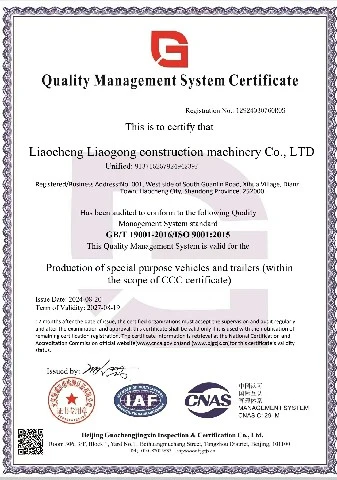
Check the walls, roof, floor, doors, hinges, locks, and frame. Check the solar system's panel output, lighting duration, waterproofing, and protection against short circuits. It is important to check that projects in Australia and New Zealand follow AS 1428.1 for disabled access and the National Construction Code 2022 for sanitary facility requirements. ISO 9001, ISO 14001, ISO 45001, AU/NZS, SAA, Watermark, and SGS are some of the certificates that TYGB has. Check to see which documents are relevant to your model. We also welcome video tours and tours of the factory.
Conclusion
When compared to two single units, a double portable toilet has two private stalls inside a single steel-shell unit. This means that there are fewer lines and fewer deliveries, placements, and waste connections. Solar lighting makes it easier to see at nite without using generators or cables, but the panel, battery, and runtime need to be tested in cloudy conditions and with a lot of use. For accurate results, make sure to compare the size, weight, and trash capacity to the actual number of users, install it on level, sunny ground, and stick to a written maintenance schedule. When it comes to options, the double unit is a good middle ground between single units and trailers. When buyers compare unit price, packaging, paperwork, and the scope of the certificate, they make safer choices than when they only compare unit price.
FAQ
Q1: How many people can a double portable toilet serve?
A: One person can enter at a time, one at a time. How much waste the unit can handle each day depends on the method you choose and how often you service it.
Q2: Does the solar lighting need grid power?
A: No, the panel on the roof charges a battery that can be used at nite. Before you sign off on the specification, make sure that the runtime has been tested in cloudy conditions.
Q3: Can I move the unit between sites?
A: Yes. You can move it with a forklift or crane; you don't have to tear it down.
Q4: What are the lead time and warranty?
A: Depending on how many orders there are, production takes 4–5 weeks. There is a 36-month warranty on the frame and a 10-month warranty on the parts that wear out.
Request a Quote from TYGB for Your Double Portable Toilet
Getting ready to rent a fleet or place a project order? TYGB will look at your quantity, site, and lighting needs. They make double portable toilets and have been making modular structures for more than 10 years. Their facility is over 30,000 m², and they make more than 3,000 units a year. The frame comes with a 36-month warranty and takes 4–5 weeks to make. To find out more, email paulpan@tygbhouse.com.
References
1. Standards Australia, AS/NZS 3000 Electrical installations (Wiring Rules), 2018.
2. Standards Australia, AS/NZS 5139 Electrical installations – Safety of battery systems for use with power conversion equipment, 2019.
3. Standards Australia, AS 1428.1 Design for access and mobility – General requirements for access – New building work, 2021.
4. Australian Building Codes Board, National Construction Code, 2022.
5. Safe Work Australia, Model Code of Practice: Managing the Work Environment and Facilities, 2018.
6. International Energy Agency PVPS, Trends in Photovoltaic Applications, 2023.