Nov 27, 2026
How to maintain a portable shower toilet in winter
To winterize a portable shower toilet, prevent the water inside from freezing. Drain the supply lines, the water heater and the basin trap each time the cabin is left idle in cold weather. Insulate exposed pipes and connections and keep the inside above freezing when in use by workers. Schedule routine cleaning and emptying of the waste line and inspect for any damage to the seals, valves and steel plating. Clear snow and ice before moving a forklift. Maintain a simple checklist, record each inspection and have extra parts onsite. These actions avoid fractures, leaks and downtime.
Understand How Cold Weather Affects a Portable Shower Toilet
Why Freezing Water Damages Plumbing?
When water freezes into ice it expands by around 9 percent, says Geological Survey's Water Science School. It presses on the walls of pipes, bodies of valves, fittings and parts of heaters. A little retained water will fracture a fitting and the damage is generally unnoticed until thaw. The 2021 International Plumbing Code additionally demands protection of water supply and drain pipes that will be exposed to freezing conditions. A portable shower toilet combines a shower, toilet and washbasin in one cabin, so each fixture adds supply and drain connections. I figure any low spot in the plumbing may freeze, so I drain them out first.
Warning Signs to Watch For
There are early warning indicators before a total collapse. Sputtering tap, slow-filling toilet or weak shower pressure are all signs ice might be in a line. If you see frost on a fitting, a moist floor next to a connection or a gurgling drain you should investigate as well. A sewage scent after a cold nite might suggest a trap lost its water seal or partially froze. Condensation on inside walls might indicate insufficient ventilation. Staff should report these indicators on that day. A brief journal, recording date, outside temperature and symptom, lets the maintenance personnel recognize similarities across several cabins rather than dealing with each instance as a surprise.
Why Steel Cabin Design Matters in Cold Weather?
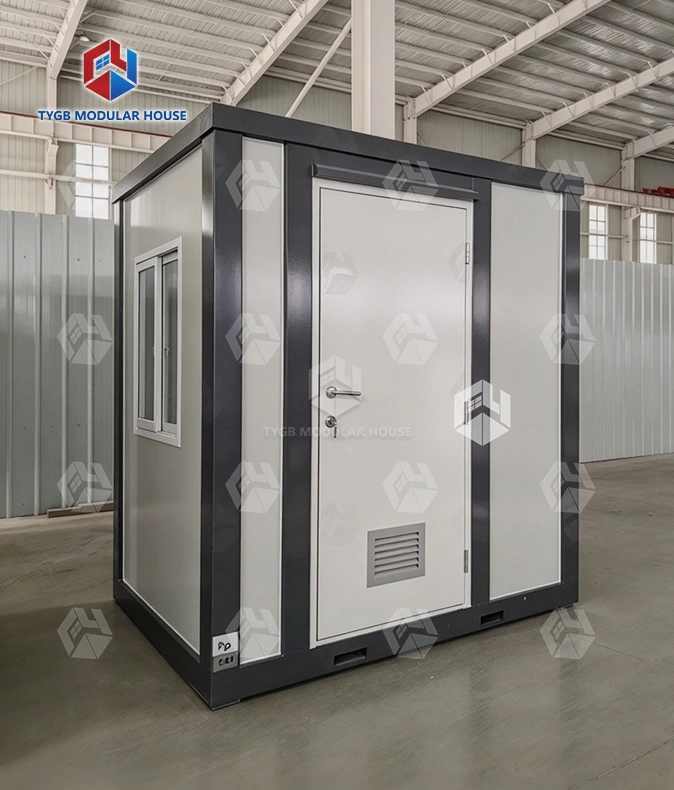
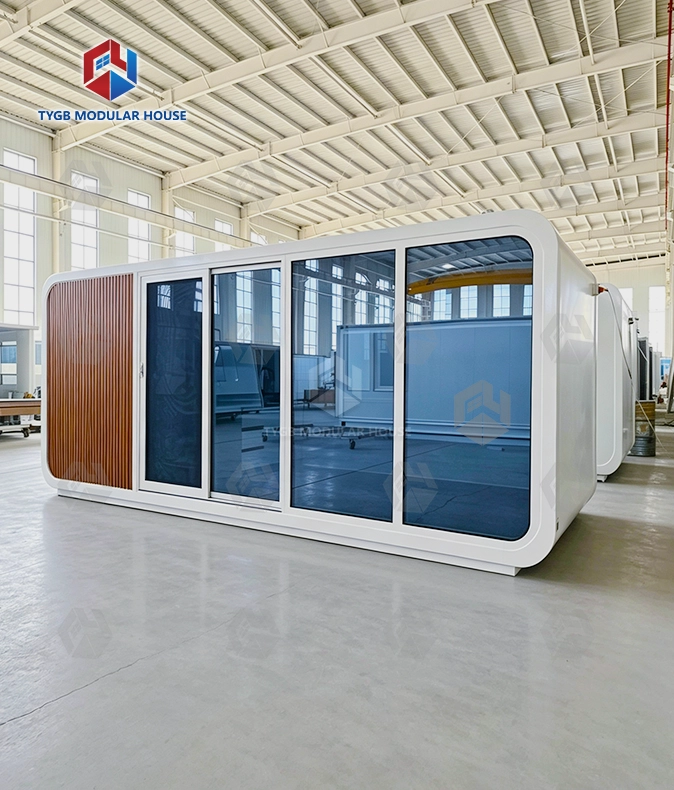
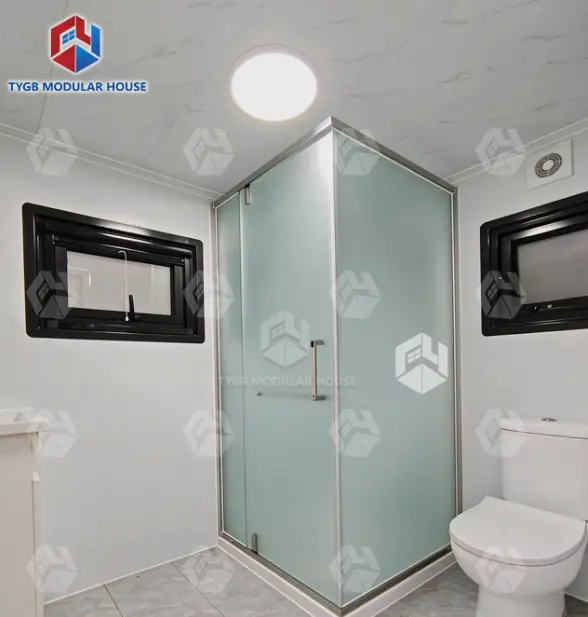
The TYGB Portable Shower Toilet is a self-contained steel cabin, with size L2260×W1450×H2300 mm and weight 750 kg. It has a shower, toilet and wash basin. The steel shell takes care of dust, weather and everyday usage over extended projects. The device possesses a seismic, windproof and waterproof performance grade. These characteristics defend the building. The water supply, drainage and optional water heater still link to the site therefore freeze prevention for those connections is a site duty. I would suggest preparing this ahead of delivery and clarifying specifics with our engineers.
Prepare the Water Supply and Hot Water System Before Freezing
Run a Pre-Winter Inspection
I begin the examination before the first harsh frost. Check door, floor, wall panels, and sealed joints for cracks, loose fasteners, or chipped paint. Bare steel may rust from moisture. Inspect all supply hoses, valves, drain connections and washbasin traps for wear. Turn the shower and toilet on for a minute or two and see whether they drain slowly. Dry and clean each fixture with the appropriate product for the surface. Write the model and component list in a binder on site. TYGB delivers maintenance manuals and spare-part lists to decrease ordering time later.
Drain Supply Lines and the Water Heater
Then drain the freshwater pipes after usage every time you have a strong frost in the forecast and the cabin will remain idle. Open the lowest valve and let the water drain out . Then open the top tap so air may get in . If your unit includes the optional water heater, follow the manufacturer’s drain procedures and never turn on a heater that has no water in it. The water heater add-on is great for crews who require winter showers. Keep the cabin warm and the water running instead of heating the cabin. If a fitting appears suspicious, defrost it with warm water, not boiling water, as abrupt heat may stress plastic and seals.
Insulate Hoses and Exposed Connections
Exposed hoses and external connectors freeze far before the cabin inside. Wrap with pipe insulation . Protect water source from wind . Heat tape may aid on extended runs, but be sure to check the rating and manufacturer's approval beforehand. Slope hoses so water drains back to the source and does not sit in low sags. A split hose in January may shut off access to the showers until the fix comes, so I carry extra hoses, caps and clamps on site at distant job sites. Swaps are rapid if the fittings match the local water line, therefore check the connection standard in design.

Protect Drains, Waste Handling, and Key Components
Keep Waste Lines Clear and Sanitary
The TYGB cabin provides versatile waste treatment solutions for a portable shower toilet across a variety of site types. Adapt your winter plan to the configuration you choose, whether it's a sewer connection, a holding tank or other acceptable technique. Only dispose of rubbish in permitted sites as per local regulations. Rinse and sterilize the toilet bowl and drain connectors using the proper cleansers. Before adding antifreeze to any trap check with the local government since certain products are not permitted in particular waste systems. A frozen drain is not just a comfort concern, but a compliance problem too.
Inspect Valves, Seals, Fixtures, and Coating
Cold makes rubber hard and valves sluggish to respond. Check the flush, shower mixer, taps and drain weekly. Inspect the gaskets on the doors, windows and pipe holes for any cracking or flattening. Use lubricants recommended for rubber and plastic. Don't use petroleum-based products. Wipes mineral build-up from showerhead so spray remains uniform. Touch up chipped paint on steel shell Tighten hinges and locks that loosen in the cold TYGB provides long-term original replacement components, a 10-month guarantee on wear-and-tear parts and a 36-month warranty on the structural frame, providing maintenance teams with a clear route for repairs.
Control Moisture and Ventilation
Hot showers in a chilly cabin produce steam, and steam condenses on cool surfaces. Use whatever ventilation the arrangement allows, clean walls and floors after peak times. Minimize mold and danger of slipping with dry flooring. Put down grit or a mat at the entrance, since wet boots may trail water that freezes on stairs. I do a quick drying check at the end of each shift for sites with significant traffic. If your workers are reporting continual fogging, ask us about bespoke layouts as TYGB can change layout, disabled access, color and finish.
Store, Move, and Troubleshoot a Portable Shower Toilet in Winter
Short-Term and Seasonal Storage
When a cabin is idle, drain all water, empty waste, clean all fixtures and dry the inside. Open the taps and drain valves a little so that no pocket of water is trapped. Lock the door and seal openings that might allow animals or snow to enter. For seasonal storage, set the unit on a solid level surface so that water drains to the outlets. Take dated photographs of the inside and outside and document any sections that need to be replaced before the next deployment. This method of storing the cabin gets it back in operation quicker in the spring with fewer surprises at hook-up.
Relocating on Ice and Snow
The 750 kg unit can be lifted by forklift or crane and does not generate demolition trash when relocated. Winter increases danger to a lift. Clear snow and ice from the road and landing area. Use equipment rated for more than the weight of the unit. Check the prongs for ice. Disconnect all lines and drain before lifting. Cap open ends to keep debris out. Thaw them out first, cold hoses might shatter under pressure. I also examine the foundation of the cabin for damage after each transfer. Follow the supplier’s lifting instructions and call TYGB for remote assistance the first time a team lifts the unit using graphical or video training.
Troubleshoot Frozen Components Safely
If a line, valve or heater freezes in a campsite hygiene unit, stop using it and let it thaw gently in a warm, sheltered spot. Do not use an open flame, torch or boiling water near plastic, seals or wires. Do not push a frozen valve; the handle or stem may shatter. When thawed, examine hoses, fittings and seals for cracks, then do a quick leak test. If water leaks, the unit moves or a component breaks, turn off supply and call the provider. TYGB provides online engineer assistance that lets remote personnel make rapid decisions on whether a repair is safe to do on site.
Build a Winter Maintenance Program for Procurement and Operations
Write a Winter Checklist and Spare Parts Plan
Many cottages have a defined regimen for continuous winter upkeep. I broke it down into a pre freeze check, a daily visual check and a weekly function test and I assigned one person to each duty. The package of spares should comprise hoses, valves, seals, shower heads, drain fittings and water heater components. Get it before it gets cold. TYGB has a manufacturing wait time of 4-5 weeks depending on order volume, so remember to include in shipping, customs and inland transit time when you plan. Regional spare-part supply shortens repair lead times at distant sites.
Review Documents and Lifecycle Cost in Tenders
Procurement committees normally consider unit pricing, life cycle cost, failure rates, water and drain connection fit and the export record of the supplier. ISO 9001:2015 is for quality management systems and it provides a consistent point of reference for supplier audits to the reviewers. TYGB has ISO 9001, ISO 14001 and ISO 45001 certifications, and SGS reports, the portable shower toilet has CE certification. We also provide multi-language manuals, accessory lists, certifications and test reports. Our goods have delivered to over 50 countries including the New Zealand and Australia. Filling up papers reduces the sample and factory audit stage of a tender.
Check Whether Your Unit Is Winter-Ready
A winter-ready cabin is properly drained, and the easy-access valves and connections can withstand frequent outside usage. Technical help and spare parts should be readily available. Success is measured by fewer freezing failures, cheaper maintenance costs and speedier deployment. Sanitation important for health as well. The WHO Guidelines on Sanitation and Health tie safe sanitation to disease prevention and the Sphere Handbook defines minimal requirements for sanitation in humanitarian response. A cabin that is in use through winter helps camps and aid sites satisfy those expectations.
Conclusion
Winterizing a portable shower toilet is all about dealing with water, waste, and moisture. Water expands when it freezes and may break connections. Draining idle lines, insulating exposed hoses and thawing gently can safeguard your plumbing. The waste lines are clean, the valves function, the seals sound, and the steel covering intact, so the cabin is hygienic and safe. Dry interiors avoid mildew and slides, and cautious lifting reduces damage during transfers. These behaviors become a program that reduces repair cost and downtime across many units, with the help of a documented checklist, a spare-parts supply, and comprehensive supplier paperwork. A cabin that is properly drained, accessible for inspection of its components, and for which parts and assistance are available is ready for winter work.
FAQ
Q1: Should I drain a portable shower toilet every night in winter?
A: If cold weather are expected and the cabin will lie idle, drain the cabin. If staff are using it on a regular basis and the area remains warm, keep the water flowing and empty it before each shutdown.
Q2: Can I use antifreeze in the plumbing?
A: Start with the manufacturer's recommendations and local regulations. Some goods cannot be disposed of in specific waste systems, and the improper kind may damage seals. It is safer to continue the drainage.
Q3: Which spare parts should I stock?
A: Keep hoses, valves, seals, shower heads, drain fittings, and water heater parts. TYGB provides spare-part lists and original replacement components.
Q4: What should buyers ask a manufacturer?
A: Ask about certifications, test reports, warranty conditions, lead times and whether the water and drain connections fit. TYGB guarantees the structural frame for a period of 36 months and wear-and-tear parts for a period of 10 months.
Request a Winter-Ready Portable Shower Toilet From TYGB
Contact TYGB for your next portable shower toilet order. As a portable shower toilet manufacturer, we supply steel cabins with custom layouts, finishes, and a hot water option, plus manuals and spare-part lists. Email paulpan@tygbhouse.com with your site conditions and quantity. Our engineers will help you plan a cold-season camp setup.
References
1. International Code Council, International Plumbing Code, 2021
2. Sphere Association, The Sphere Handbook: Humanitarian Charter and Minimum Standards in Humanitarian Response, 2018
3. World Health Organization, Guidelines on Sanitation and Health, 2018
4. International Organization for Standardization, ISO 9001:2015 Quality Management Systems
5. Occupational Safety and Health Administration, Sanitation Standard 29 CFR 1926.51, 2023
Online Message