Nov 9, 2026
Where to Buy a Container Office: Supplier and Import Guide 2026
If you're sourcing a container office for a construction site, oil field camp, or remote project base, this guide gives you a clear path forward. Whether you need 5 units or 50, the right modular office supplier can make or break your project timeline. This article covers where to buy, what to look for in a supplier, how importing works, and which product types suit specific field conditions — so you can move from research to purchase with confidence.
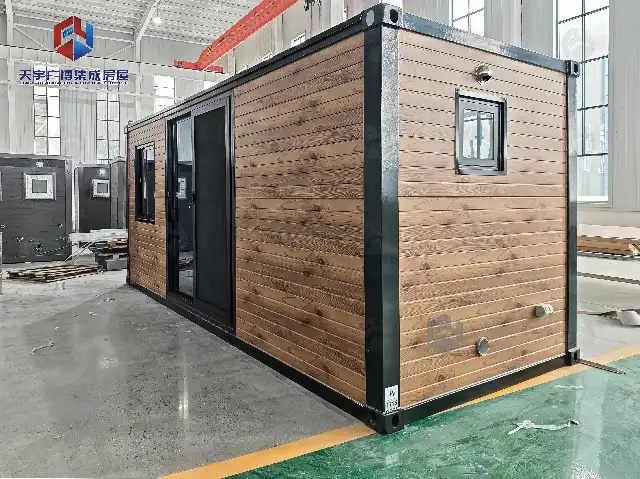
Understanding Container Offices and Their Advantages
A modular site office is no longer just a repurposed steel box. Today's purpose-built prefab workspace solutions are engineered for rapid deployment, long-term reuse, and extreme-environment durability. Here's what makes them worth considering at scale.
What a Container Office Actually Is
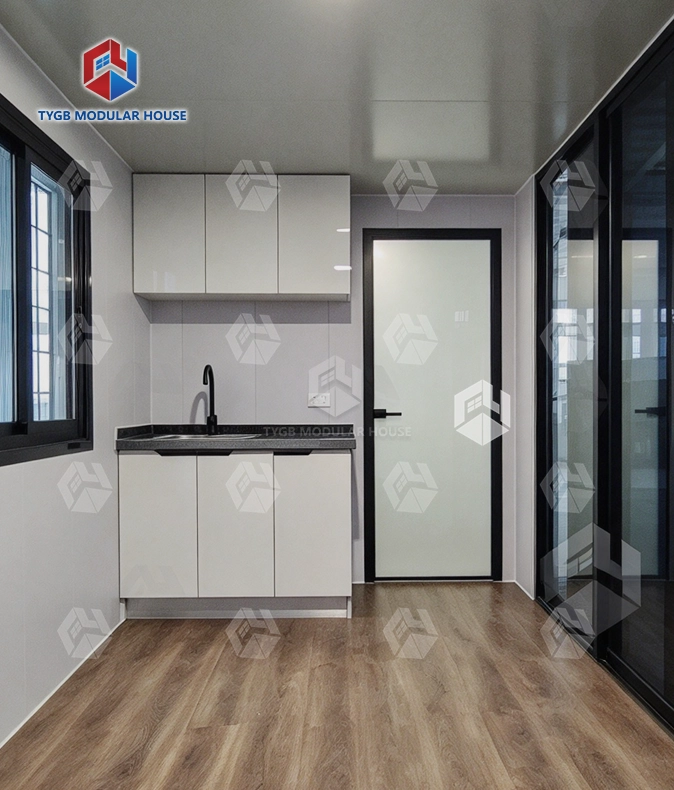
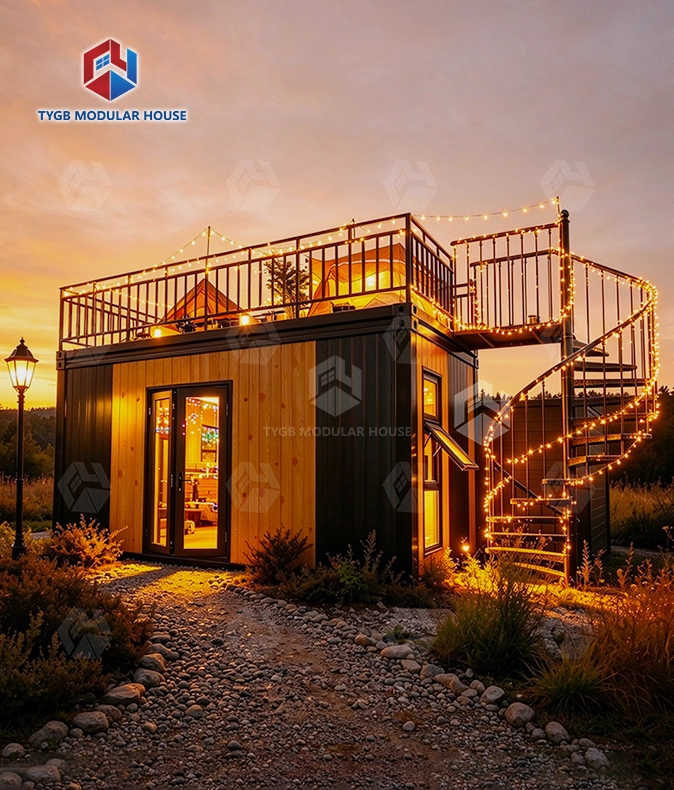
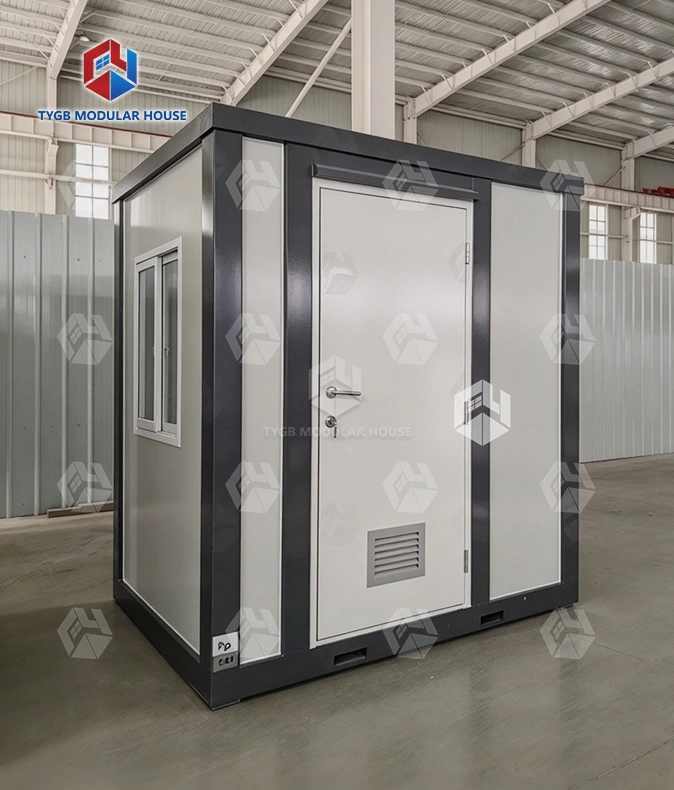
A container office is a prefabricated steel-framed workspace built to standard shipping dimensions, making it easy to transport by sea, road, or rail. Units arrive either flat-packed or pre-assembled, and can be stacked into two-storey configurations — a major advantage for dense construction site layouts where ground space is limited.
Common Variants for B2B Projects
Three formats dominate the B2B market: standard single-unit offices, flat-pack modular buildings (which ship more efficiently), and two-storey stacked complexes. For large engineering camps in the Middle East or Africa, the two-storey flat-pack format is typically preferred because it maximizes floor area per shipping container while keeping logistics costs manageable.
Why Procurement Teams Choose Them Over Traditional Builds?
Temporary site offices built from concrete or timber require weeks of labor and can't be relocated. A well-engineered prefab site office, by contrast, can be assembled in 2–5 days per unit, reused across multiple projects, and sold or leased at end of contract. According to the Modular Building Institute's 2023 report, modular construction can reduce on-site build time by up to 50% compared to conventional methods — a figure that directly impacts project overhead.
How to Choose the Right Container Office Supplier in 2026?
More often than not, choosing the supplier is more important than choosing the product when buying in bulk. It might take months longer to finish your job if you pick the wrong firm.
Define Your Volume and Spec First
Before you talk to a seller, you should know how many units you need, what floor plan you need, the temperature (in the desert it can get up to 50°C), and how you want the units to be stacked. When suppliers like TYGB offer CAD planning services before bidding, there is a lot less back and forth, and mistakes in the design that cost a lot of money in the long run can be avoided.
What Certifications Should You Verify?
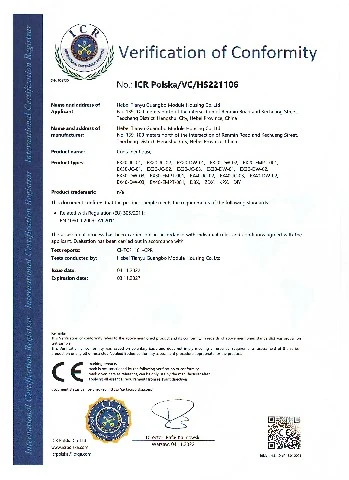
Quality certificates are a must when you buy things from other countries. Look for ISO 9001, CE, ASTM/UL, and SAA to make sure the product is of good quality. These must be done in the EU. For fire safety, offices in military and construction camps must have Class A fire-rated wall panels. These are usually made of Rockwool core sandwich panels. TYGB has test data from SGS and Intertek and is approved by ISO 9001, ISO 14001, ISO 45001, CE, and ASTM. Container office projects depend on exactly this documentation stack.
Supplier Types and Their Trade-offs
Not every vendor is the same. The big groups are different in these ways:
- Direct OEM manufacturers (e.g., TYGB): Offer full customization, volume pricing, and direct quality control. Best for orders of 5–50 units with specific structural or climate requirements.
- Trading companies: Act as intermediaries. Pricing may be competitive for small orders but customization is limited and lead times are less predictable.
- Local rental/leasing suppliers: Useful for short-term needs but often carry older, less technically specified inventory.
When you need to buy a lot of things in a tight space, working directly with a manufacturer gives you more control over specs, order times, and paperwork.
Importing Container Offices: Logistical and Cost Considerations
Getting units from factory to field involves more than booking a ship. The import process touches customs, packaging, unloading, and assembly — each step carrying cost and time implications.
Shipping Format and Packaging
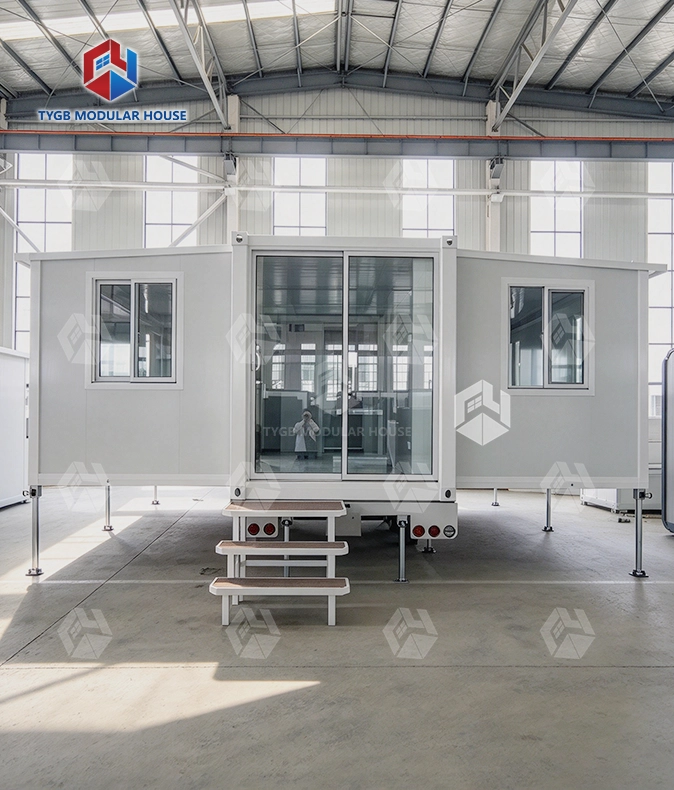
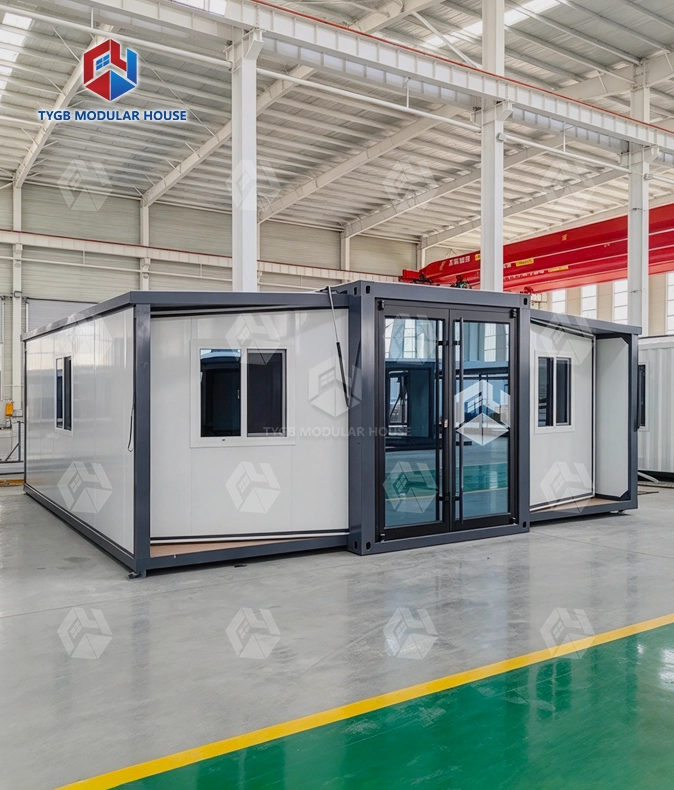
Flat-pack container office buildings are designed to ship efficiently inside standard 40HQ containers. TYGB's flat-pack design fits within standard container loading limits, eliminating the need for open-top or flat-rack containers — a meaningful cost saving on ocean freight. For a 20-unit order, this difference in packaging efficiency can reduce total shipping spend by 15–25%.
Customs, Tariffs, and Documentation
Importing modular buildings into markets like Saudi Arabia, Nigeria, or Kazakhstan involves country-specific tariffs and clearance protocols. Buyers should verify HS codes for prefabricated structures (typically under Chapter 94 of the Harmonized System) and request full documentation packages from suppliers — including CE/ASTM certificates, test reports, packing lists, and installation manuals in the required language. TYGB provides multi-language installation documentation and accessory lists as standard.
Timeline Planning for Bulk Orders
A realistic procurement timeline for 10–30 units typically breaks down as follows: needs assessment and CAD layout (1–2 weeks), quotation and contract signing (1–2 weeks), production at factory (4–5 weeks), ocean freight (30–45 days), and on-site assembly (2–5 days per unit). Total: roughly 3–5 months from first contact to operational office. Planning for this window from the start prevents project delays.
Comparison of Container Office Types and Market Options
It's not enough to choose the type of product that costs the least per unit; you also need to make sure that the structure specs are right for the field.
Flat-Pack vs. Pre-Assembled Units
It is less expensive to ship flat-pack offices, and it's simple for workers to put them together on-site. Parts that are already put together are bigger and cost more to ship, but they are ready to use. Most of the time, flat-pack is the best choice for remote areas where cranes are hard to get to.
Insulation and Climate Performance
How comfortable a room is when it's very hot or very cold depends on the type of wall panels that are used. Class A fires can't start in rockwool layer plates, and they keep heat in well enough. Most of the time, PU (polyurethane) core panels keep places that get very hot or very cold from getting too cold. 75 mm PU panels that already have air conditioning systems built in are the best choice for areas where the temperature regularly goes above 45°C.
Structural Ratings That Matter in the Field
These ratings are not used to market project sites in areas that are prone to earthquakes or storms; they are necessary for running the business. The wind resistance of TYGB's container offices is Grade 11, which is about 0.6 kN/m², and the earthquake resistance is Grade 9. It comes with a 36-month warranty on the main frame and a 10-month guarantee on parts that get worn out over time. These people are enough to meet the needs of construction camps in the Gulf and Central Asia.
Top Container Office Suppliers and Brands to Consider in 2026
The risk is lower when you choose from a short list of suppliers that have already been checked out. These are the main things that make sellers you can trust stand out from the rest.
What Top-Rated Suppliers Have in Common?
The best modular office makers for business-to-business buyers all have a few things in common: they make their goods in-house and have clear rules for quality control. They also have valid certifications from third parties and know how to package 40HQ ocean freight. If a seller is quick to quote, it's often a good sign of how fast they'll be once the deal is signed.
How to Find and Vet Suppliers
People who work for Chinese companies in Africa and the Middle East can help you find sources. You can get in touch with factories directly, go to trade shows like Big 5 in Dubai, or ask other Chinese companies that do business in those areas for advice. They should have an export license and flexible payment options (L/C, 30/70 T/T). You should also ask to see the factory in person or via video call and get references from past projects in the area you want to work in.
TYGB as a Verified Manufacturer Option
Hebei Tianyu Guangbo Integrated House Co., Ltd. (TYGB) is a Chinese company that makes things and can send them abroad on its own. It has two automated production lines and has sent prefab office buildings to work sites and construction camps all over the world in the past. They sell two-story flat-pack container office buildings that already have electrical systems set up, and they come with video and written instructions for putting them together from afar. At tygb.aixdb.cn, you can find tech specs and project references.
Conclusion
In 2026, there's more to getting a big container office than just looking at different types. It is important to have a clear specification, a provider you can trust, and a logistics plan that includes things like customs, freight format, and when the parts need to be put together. There are a lot of good deals on the market for people in the Middle East, Africa, and Central Asia. Direct manufacturers can send a lot of certified units that are made for those places. You can protect your investment and keep your project on track by getting certifications, structural ratings, and the right format for freight packaging early on.
FAQ
How much does a container office cost?
Unit pricing depends on size, panel type, structural rating, and included fit-out (electrical pre-wiring, HVAC, etc.). A standard flat-pack modular office unit from a Chinese manufacturer typically ranges from $3,500 to $8,000 USD per unit ex-factory, with bulk pricing available for orders above 10 units. Freight, customs, and assembly add to the total landed cost.
Can container offices be customized for extreme climates?
Yes. Reputable manufacturers can configure wall insulation thickness, panel core material, window glazing, and ventilation systems to suit specific climate conditions. For desert environments, 75mm PU-core panels with pre-installed air conditioning connections are standard. For coastal or high-humidity sites, galvanized steel framing with anti-corrosion coatings is recommended.
What is the typical lead time for a bulk order?
For orders of 10–30 units, production takes 4–5 weeks from confirmed order. Ocean freight to the Middle East or Africa typically adds 30–45 days. On-site assembly runs 2–5 days per unit. Budget 3–5 months total from contract signing to operational handover.
Do suppliers provide installation support?
TYGB provides multi-language installation manuals, video tutorials, and live online engineer support during the assembly phase. On-site training can also be arranged for local labor teams.
Get a Quote for Your Next Project — Contact TYGB for Container Office Solutions
TYGB sends flat-pack and two-story container office buildings all over the world to places like construction camps, oilfields, and project bases that are far away. Their goods are made to last in rough conditions; they come with a structural guaranty that lasts for 36 months and Grade 11 wind resistance. You can email paulpan@tygbhouse.com to talk about your idea, get a CAD plan, or find out how much it costs to buy a lot of something.
References
1. Modular Building Institute. 2023 Permanent Modular Construction Annual Report. Modular Building Institute, 2023.
2. Grand View Research. Prefabricated Buildings Market Size, Share & Trends Analysis Report. Grand View Research, 2024.
3. International Organization for Standardization. ISO 9001:2015 Quality Management Systems — Requirements. ISO, 2015.
4. ASTM International. ASTM E119: Standard Test Methods for Fire Tests of Building Construction and Materials. ASTM International, 2022.
5. Construction Industry Institute. Modular and Offsite Construction: Setting the Stage for Success. CII, 2021.
6. Bureau International des Expositions / Reed Exhibitions. The Big 5 International Building & Construction Show: Market Insights Report — Middle East Construction Sector. Reed Exhibitions, 2023.
Online Message