Nov 27, 2026
Best materials for a low maintenance outdoor kitchen in cold climates
For a low maintenance outdoor kitchen in cold areas the ideal materials are 304 or 316 stainless steel or powder-coated aluminum for the structure and cabinetry. Pair them with non-porous surfaces like sintered stone, exterior-rated porcelain or stainless steel. These materials withstand freeze-thaw, de-icing salts, moisture and UV exposure better than wood, MDF or untreated steel. I choose 316 around shorelines or salted highways and 304 for most inland locations. Drainage, ventilation and weather-rated hardware are as important as the surface itself. Below I break out each alternative so you may specify with certainty.
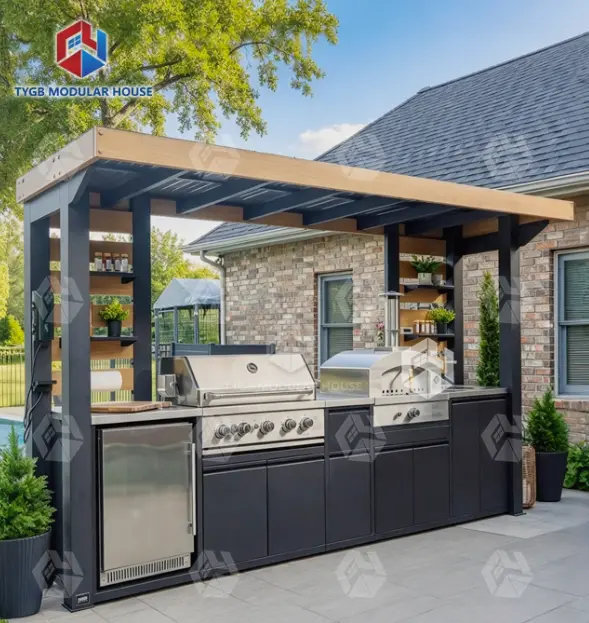
Why Cold Climates Demand Different Materials?
Freeze-Thaw Cycles and De-Icing Salts
Water expands roughly 9 percent when it freezes. Any moisture that seeps into a porous countertop, a damaged seal or a gap in a cabinet forces the material apart every time temperatures decrease. Repeated cycles cause hairline cracks to become chipped surfaces and loose joints. De-icing salts have another difficulty. Chlorides damage the protective coating on stainless steel and accelerate pitting, so ASTM G48 utilizes a ferric chloride solution to compare pitting resistance. Snow also rests on cabinet bottoms for weeks so the low panels get more moisture than the tops do. When I assess a material, I always question what is the collection point of meltwater and salt.
What "Low Maintenance" Should Mean?
The term is used loosely on many product sites. To me, a minimal maintenance outdoor kitchen should just require basic cleaning, a once a season check, and the rare part repair. After the first harsh winter it should not need to be sealed, sanded or repainted every year. Before you agree to the claim, check three things: the actual material grade, the surface treatment and the warranty conditions. A vague designation like "weatherproof" doesn't tell you anything. A specified grade, a defined coating and a documented guarantee offer you something to hold the provider accountable to. Contractors and resellers pay for each callback, too, thus the definition is much more important to them.
Total Cost of Ownership Beats Sticker Price
A cheaper bundle might be more expensive over five winters. Add up the repair appointments, resealing products, new hinges and the labor to fit them. A contractor who takes a callback in February pays for the truck, the workers and the lost goodwill. Materials that cost more upfront, such as 316 stainless steel in a salty environment, are frequently cheaper in the whole service life. Spare part availability matters too. If two years later a supplier can't send a matching hinge or panel, a tiny problem becomes a complete replacement. I would advise comparing bids for service life and spares support, not just unit pricing.
Best Cabinet and Frame Materials for Cold Weather
304 vs. 316 Stainless Steel
Both grades include chromium, which produces a thin protective layer on the surface. Standard composition tables list 304 as containing around 18 to 20 percent chromium and 8 to 10.5 percent nickel. Grade 316 has 2 to 3 percent molybdenum, which increases resistance to chloride pitting. That added ingredient is important near the seaside and roadways that have been treated with salt. 304 holds up well, and cheaper, for inland patios with covered cooking areas. 316 is the safer standard for coastal locations or kitchens near salted drives. Whatever grade you choose, write about sheet thickness and weld finish. Thin panels dent. Rough welds trap moisture.
Aluminum and Powder-Coated Steel
Marine-grade aluminum is lightweight, rust-resistant and may help decrease freight costs, making it a good choice for modular weatherproof backyard BBQ station systems. The coating is the Achilles heel. Edge protection and cautious packaging are important; severe damage from shipment or a dropped tool will reveal the metal. For budget projects where cut edges, drill holes and weld regions are sealed and water drains readily, powder-coated galvanized steel may be used. In Australia, zinc coatings on manufactured steel are covered by AS/NZS 4680. If aluminum touches stainless fasteners in a damp environment, galvanic corrosion may occur. Isolation washers or suitable fasteners prevent this.
Materials to Avoid Outdoors
Some materials deteriorate fast in cold. Mild steel rusts at every scratch if untreated. MDF and particleboard absorb moisture, expand and disintegrate at the edges. Once water touches substrate, indoor-grade laminate will peel. Purchasers anticipate in low cost packaging, frequently under a "weather resistant" label. These materials are used more commonly than Ask for the base material, not just the finish. If a provider cannot tell you what is behind the front panel, take it as a caution. A frame may seem good in a showroom, but it might expand and split after one damp frost.
Best Countertop Materials for Cold Climates
Non-Porous Surfaces and Sintered Stone
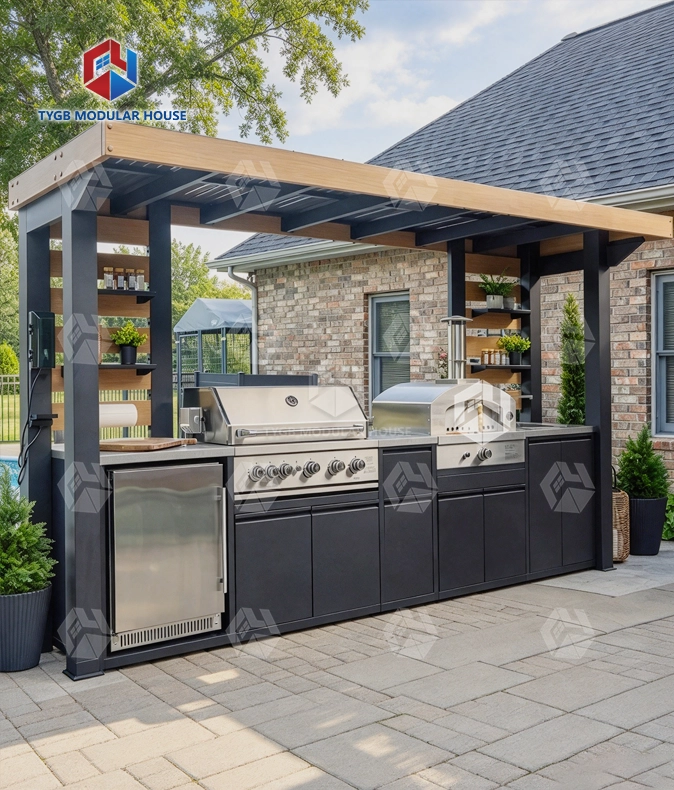
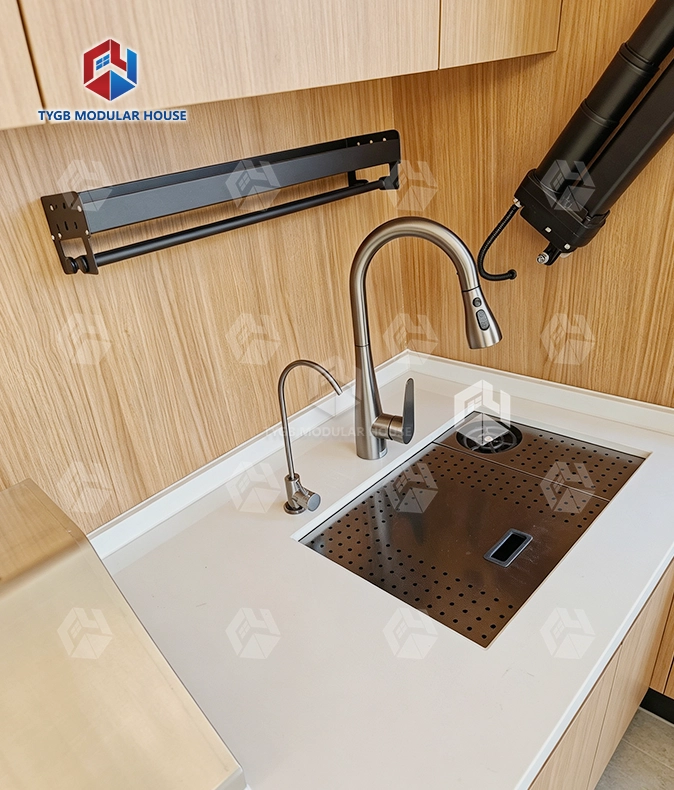
Porosity is how much water a countertop absorbs — and it's the water that's absorbed that freezes and breaks surfaces. Sintered stone is extremely low in porosity thus oil, wine and meltwater remain on the surface and are wiped off with a towel. It still requires a level, well-supported basis, since big slabs shatter if they rest on uneven supports. Stainless steel countertops are also non-porous and do well in commercial and heavy-use kitchens. TYGB's modular units have a countertop that is non-porous and scratch resistant, so owners never have to seal or refinish it. It takes away one of the most typical jobs of the year.
Granite, Porcelain, and Concrete
Granite appears natural and stands up to the outdoors, but it is porous to a degree and must be resealed periodically. Water resistant porcelain slabs approved for outside use. Tiles with water absorption of 0.5 percent or less are grouped at the bottom of the scale in ISO 13006. The lab test is described in ISO 10545-3. Porcelain edges crack when installers handle slabs too roughly. Concrete allows a large design flexibility, but requires reinforcing, sealing and control joints. Air-entrained concrete is more resistant to freeze-thaw damage, and this behavior is measured by ASTM C666. All these materials need more TLC than a factory finished non-porous surface so balance the beauty with the maintenance.
Quartz Needs Written Approval
Engineered quartz is a mix of polymer resins that hold the stone atoms together. For a low maintenance outdoor kitchen, sunlight may fade or discolor many manufacturers' resins, and heat can harm them, thus they often recommend against outdoor usage. Use quartz outside only if the manufacturer has given you written assurance that the product is suitable for external installation. Keep warranty information. The same goes for any interior graded surface sold into an outdoor project. An easy test is to ask for the technical sheet and check for UV and freeze-thaw statements. If the sheet is quiet on the subject, use a material with explicit outdoor ratings.
Weather-Resistant Features That Cut Upkeep
Drainage, Ventilation, and Hardware
Still, good materials don't help when there's nowhere for the water to go. Tilt the countertops a little, elevate the bases off the ground and maintain the drainage pathways. You need regulated ventilation in the cabinets to let moisture and heat escape. The apertures keep snow and rain out. Hinges, drawer slides and screws should be stainless steel or coated for outdoor usage. These little pieces corrode quickest. Appliances must be rated for outside use, with correct operating temperatures, clearances and electrical protection. Put service panels where a professional can get to them. Hidden plumbing and wiring costs more to fix in winter.
Covered Layouts and Garden Grading
A roof, pergola or permeable cover will reduce snow load, UV exposure and moisture on the kitchen. Uncovered kitchens may nevertheless be well-functioning with the correct materials and drainage. The ground surrounding the unit is also important. Grade the site away from the base of the cabinets. Use gravel drainage zones or permeable pavers. Keep plants and mulch away from the cabinets. Frost-resistant porcelain pavers or textured concrete help minimize slip danger on frosty mornings. These procedures help keep muck, standing water and pests away from the base, where winter damage frequently begins.
A Simple Seasonal Care Plan
Even a minimal maintenance outdoor kitchen will benefit from two quick checkups a year. Drain water lines as necessary and clean cabinet inside. Before winter, stow portable appliances and put on a breathable cover. Clean stainless steel using non-abrasive cleansers that do not include chlorides. In spring, check for broken sealant, damaged coatings, rust spots, clogged drains and frost-induced shifting. Write down what you discover. For B2B projects, I would suggest suppliers to provide cleaning instructions, inspection checklists and lists of replacement parts so that property managers and installers may follow one routine across several locations.
How to Compare Suppliers and Solutions Before You Buy?
Build a Written Specification
You'll want to start by providing the climatic zone, location, kitchen size, appliance list, utility connections and projected usage for a low maintenance outdoor kitchen. Then write the specification: cabinet grade and thickness, countertop porosity, coating type, hardware load rating, ventilation and drainage, appliance certifications, warranty and replacement parts. Ask each provider to comment in writing on each line. Purchase a sample and try it out in an actual winter before you commit to a bulk purchase. Check factory quality control, export packing, technical drawings and after-sales. A provider who answers these questions properly will save you more time than one that just offers you a price.
A Modular Low Maintenance Outdoor Kitchen from TYGB
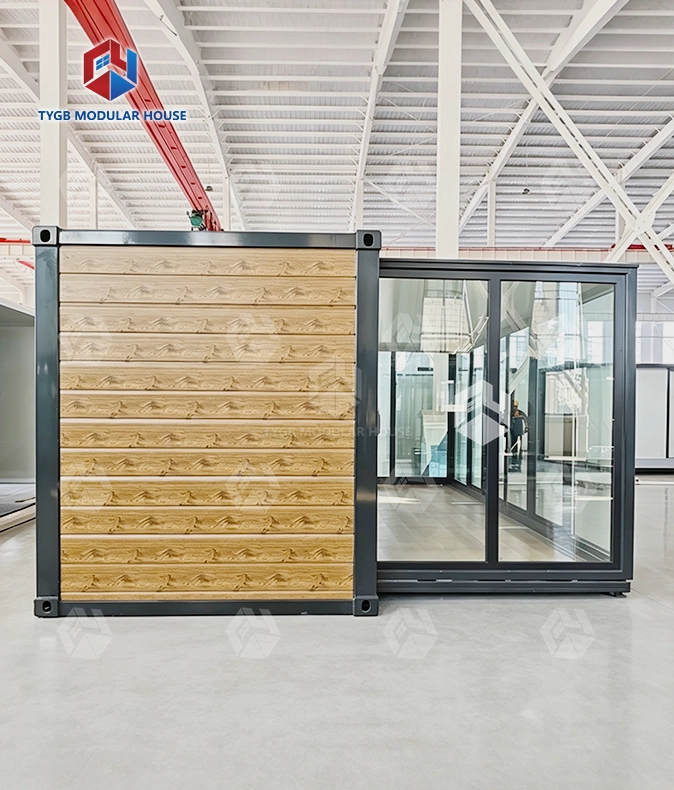
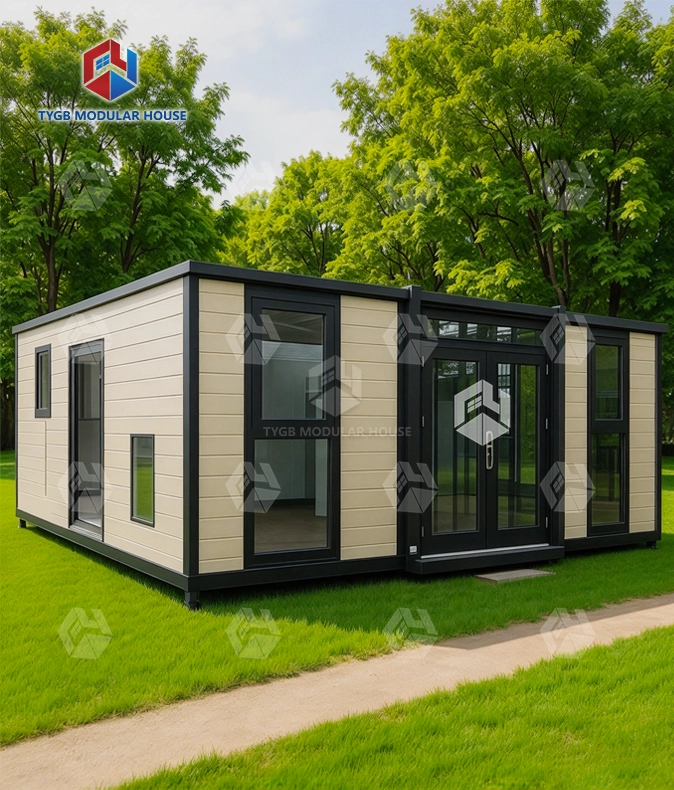
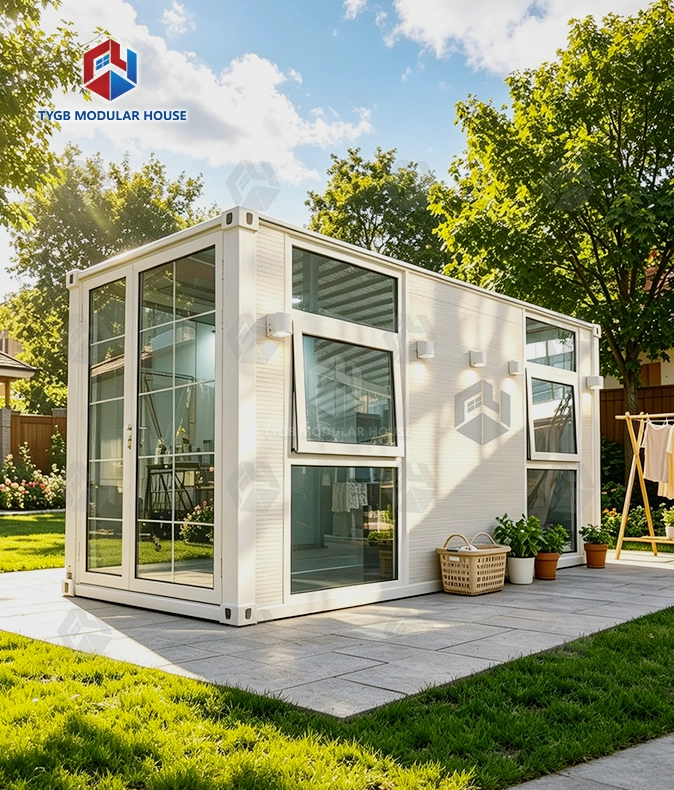
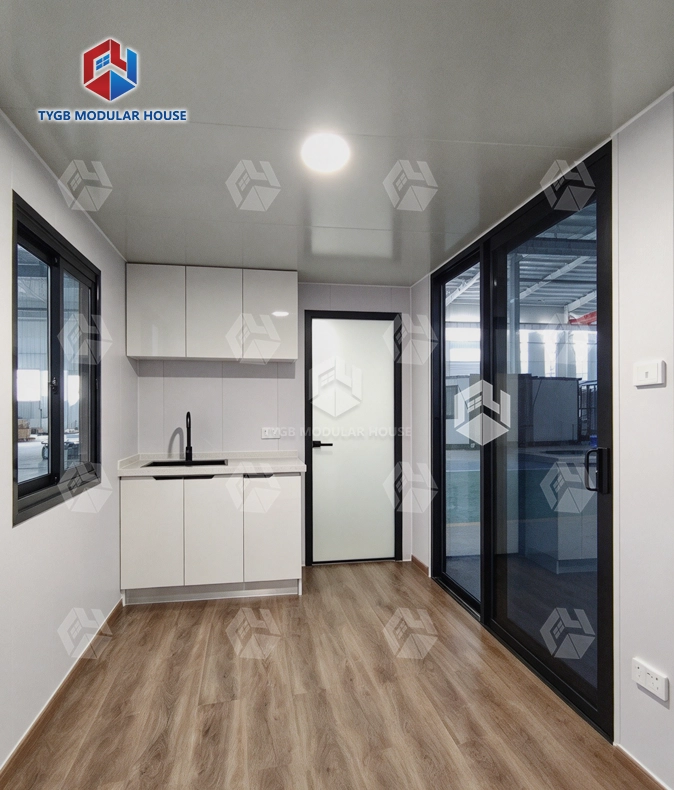
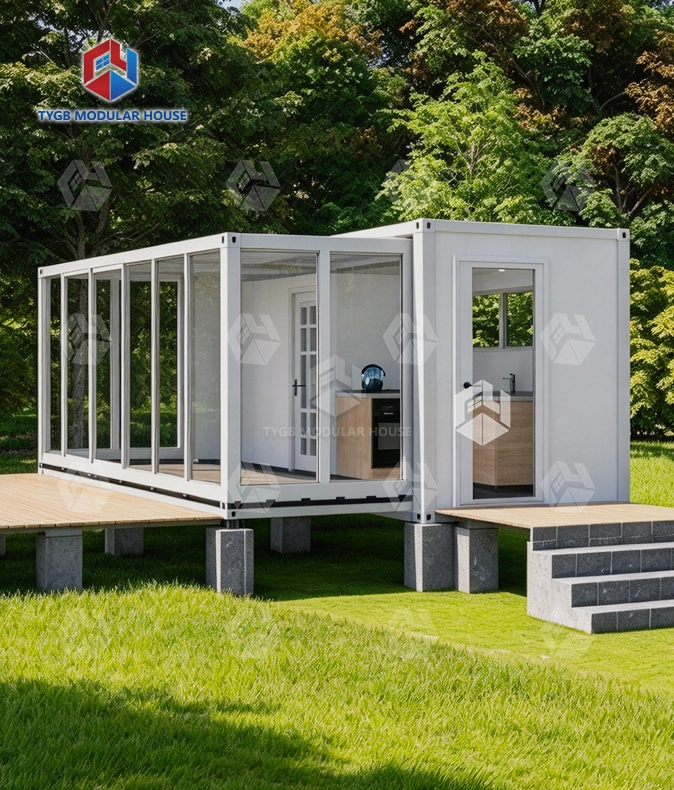
Modular units are pre-engineered, meaning they are quicker to install and easier to replace than a bespoke brick construction. Hebei Tianyu Guangbo Integrated House Co., Ltd. (TYGB) is a manufacturer of modular all-weather cooking station for courtyards, patios, gardens and commercial terraces. It’s an all-weather backyard BBQ station that also performs meal prep, storage and cleanup duties. The construction is made of anti-corruption elements, wind, rain and sun resistant. All parts are pre-assembled at the manufacturer before delivery.
| Item | Detail |
|---|---|
| Expandable size | 20–40 ft |
| Countertop | Non-porous, scratch-resistant |
| Customizable parts | Countertops, sinks, grills |
| Standards | CE, ISO, AU/NZS, ASTM, SGS |
| Warranty | 10 months (wearing parts), 36 months (frame) |
| Lead time | 4–5 weeks, depending on quantity |
I recommend asking for the exact frame material grade in your quote, so it matches your climate.
Export Support and Project Planning
Many consumers worry about shipping damage. TYGB has ocean-grade shock-resistant packaging, multi-language installation instructions, accessory listings, certifications and test results. Engineers will analyze client drawings, site circumstances and local code requirements. They then give floor designs, 3D renderings, material requirements and a price. They update drawings till you approve. Remote installation advice comes via illustrated or video tutorials and online engineer support, and original replacement components remain accessible long-term. Production takes 4–5 weeks depending on order amount, so merchants and builders may prepare supply before spring. You may also organize a factory visit or a virtual tour via video conference.
Conclusion
Choosing a low maintenance outdoor kitchen for a cold region entails analyzing the full system, not one surface. Freeze-thaw cycles, de-icing salts, and retained moisture cause most failures. The frame should employ 304 or 316 stainless steel or coated aluminum, with 316 preferable near salt. Countertops work best when they are non-porous, such as sintered stone, exterior-rated porcelain, or stainless steel. Granite and concrete require sealing, while quartz needs formal exterior permission. Drainage, ventilation, stainless hardware, and covered design limit winter damage, while a quick seasonal inspection keeps any flaws small. Comparing documented specifications, guarantees, and spare-part support offers a deeper indication of cost than unit pricing alone.
FAQ
Q1: Is 304 or 316 stainless steel better for a cold-climate outdoor kitchen?
A: Grade 316 is preferable at the beaches or where road salt is used because to the molybdenum content that helps with chloride resistance. Grade 304 generally is satisfactory for protected inland locations. Check thickness and weld quality for both grades.
Q2: Which countertop needs the least upkeep?
A: Surfaces that won't absorb water, such sintered stone, exterior-rated porcelain and stainless steel require nothing more than a wipe. Granite requires resealing every so often. Concrete needs sealing and crack management.
Q3: Does a covered kitchen still need drainage and ventilation?
A: Yes. A cover limits the effects of snow and sun, but wind-driven rain and humidity still get into the cabinets. Moisture control comes via drainage, ventilation and weather-rated hardware.
Request a Low Maintenance Outdoor Kitchen Quote from TYGB
Planning a cold-climate project? TYGB is a low maintenance outdoor kitchen manufacturer with in-house R&D, factory pre-fitting, and 20–40 ft expandable options, supported by CE, ISO, AU/NZS, ASTM, and SGS standards. Send your climate details, order volume, preferred materials, and timeline to paulpan@tygbhouse.com, and our engineers will prepare drawings and a quotation.
References
1. ASTM International, Standard Test Methods for Pitting and Crevice Corrosion Resistance of Stainless Steels and Related Alloys by Use of Ferric Chloride Solution (ASTM G48), 2011.
2. ASM International, ASM Handbook, Volume 13B: Corrosion: Materials, 2005.
3. International Organization for Standardization, Ceramic Tiles, Part 3: Determination of Water Absorption, Apparent Porosity, Apparent Relative Density and Bulk Density (ISO 10545-3), 2018.
4. ASTM International, Standard Test Method for Resistance of Concrete to Rapid Freezing and Thawing (ASTM C666/C666M), 2015.
5. Portland Cement Association, Design and Control of Concrete Mixtures, 16th Edition, 2016.
6. Standards Australia and Standards New Zealand, Hot-Dip Galvanized (Zinc) Coatings on Fabricated Ferrous Articles (AS/NZS 4680), 2006.