Nov 26, 2026
Investing in a portable expandable home for Airbnb rental income
If you want to rent out your home on Airbnb, is a portable expandable home a good idea? Yes, when you price the whole project and make sure it's okay with the local government first. A portable expandable home is shipped folded and can be opened up on-site to create 37–72 of living space. It comes pre-wired and pre-plumbed, which speeds up the process from buying it to making the first reservation. Your return is still based on the landed cost, the nightly rate, the number of guests, and the operating costs. These numbers are explained in this guide. I also talk about other choices, safety checks, and a way to buy that you can follow. Most of the benefits go to camps and resorts that add rooms in stages.
Why a Portable Expandable Home Appeals to Airbnb Investors?
Why Alternative Stays Keep Growing?
People book more than just hotel rooms these days. Airbnb is a good place for glamping sites, farm stays, and resort cabins to stay because they offer a setting that regular rooms can't match. The fact that KOA's annual camping reports show that campers are interested in glamping and cabin stays supports the idea that there is a real need for these things. The hard part for an operations director is adding rooms before the busy season without having to build a permanent structure on every pad. When you buy an expandable house from a factory, the unit is already built while you work on other parts of the site. This can cut down on the time between ordering and opening.
How the Folding Design Works?
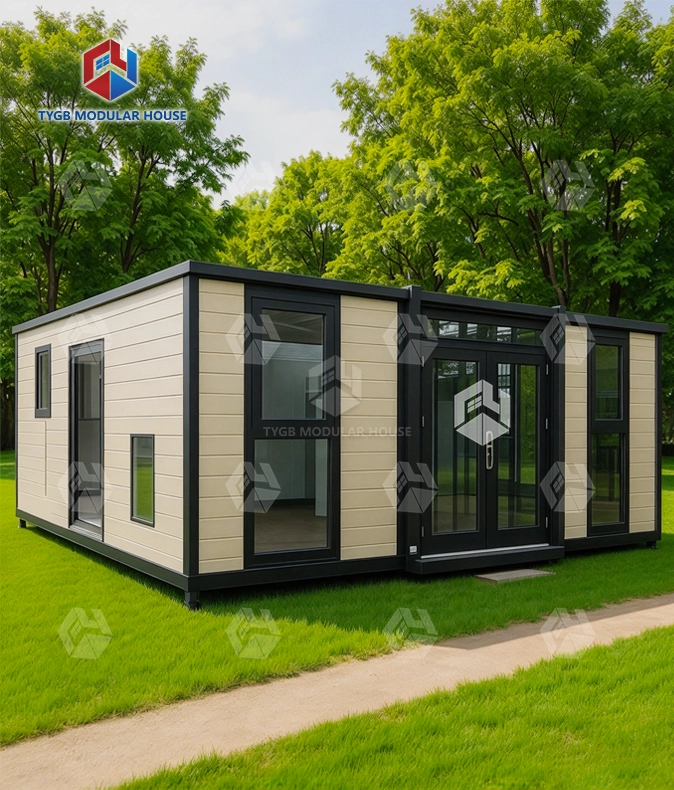
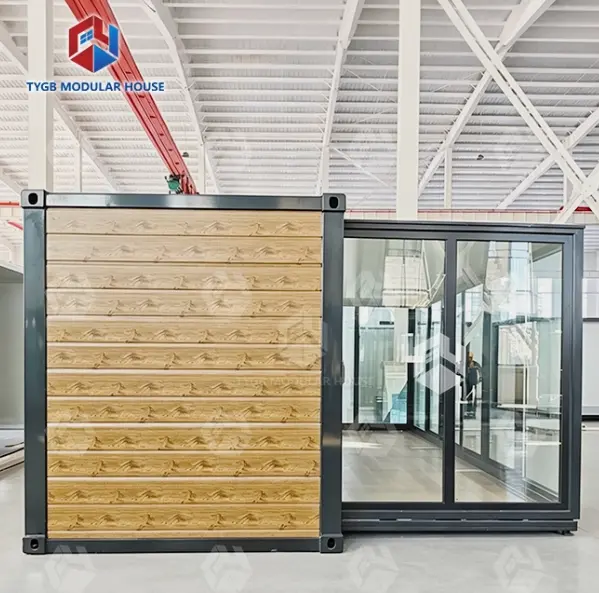
A portable expandable home can be folded up small and then unfolded when it gets to its destination. In the factory, TYGB builds a galvanized steel frame, puts in insulation and finishes on the inside, and sets up the electrical and plumbing systems ahead of time. The columns in the frame are thicker, and the supports behind them are denser. Two sets of 20FT units can fit in a 40HQ container because they fold up to 2260 x 5900 mm. One set of 30FT and 40FT models is sent with each 40HQ. Cast-iron corner fittings at the top and bottom of the frame keep it from bowing while it's being moved. Before you compare prices, make sure that each supplier gives you both folded and expanded drawings. The folded size affects the cost of shipping, while the expanded size affects how comfortable the guests are.
TYGB Models and Layouts
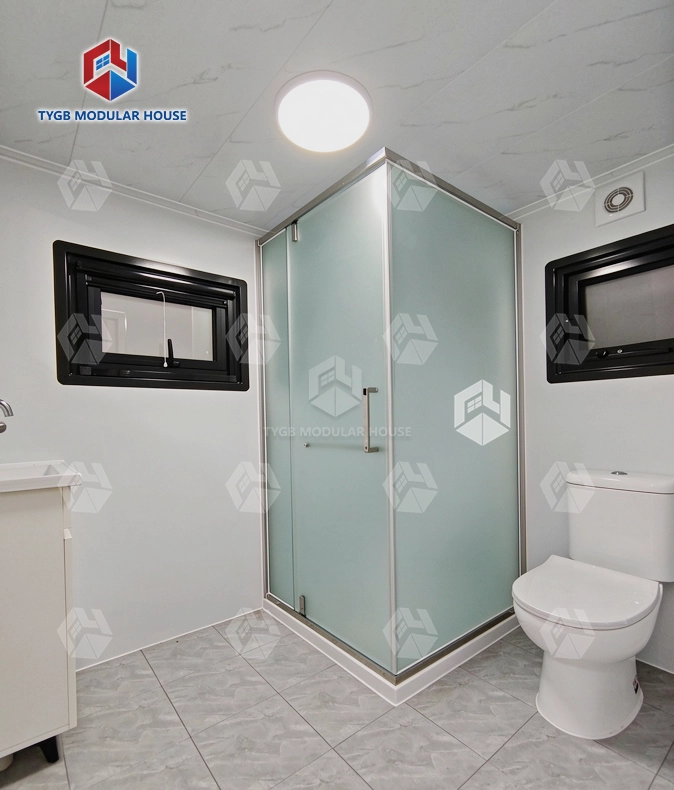
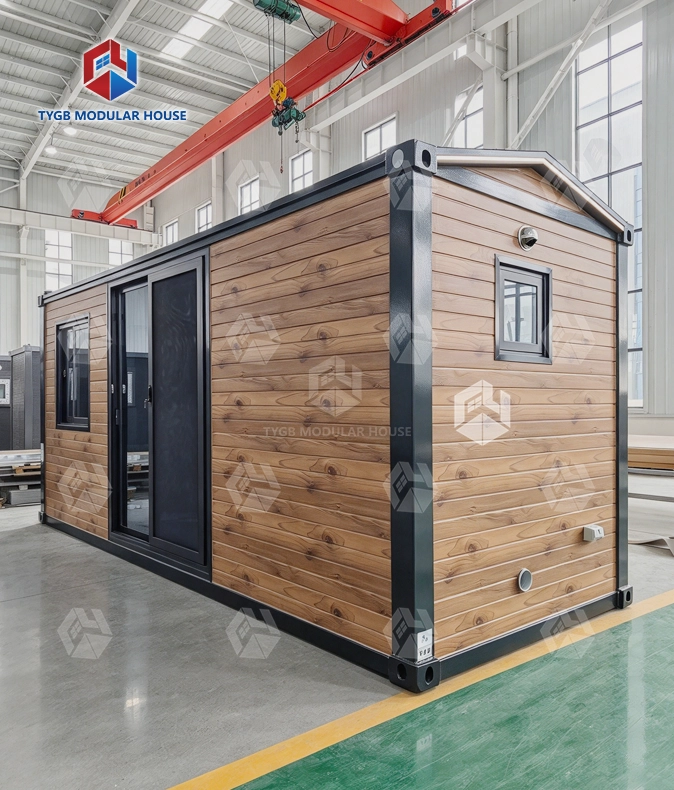
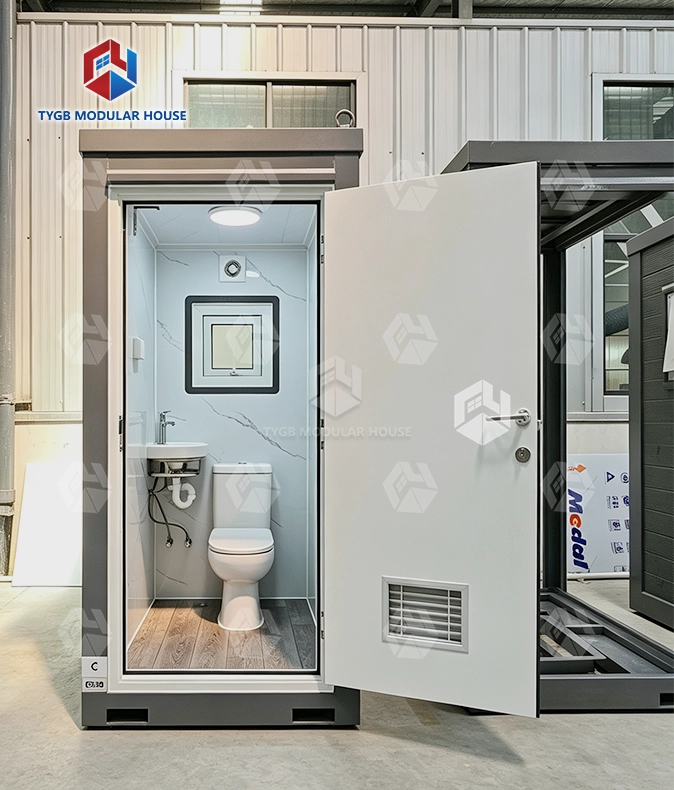
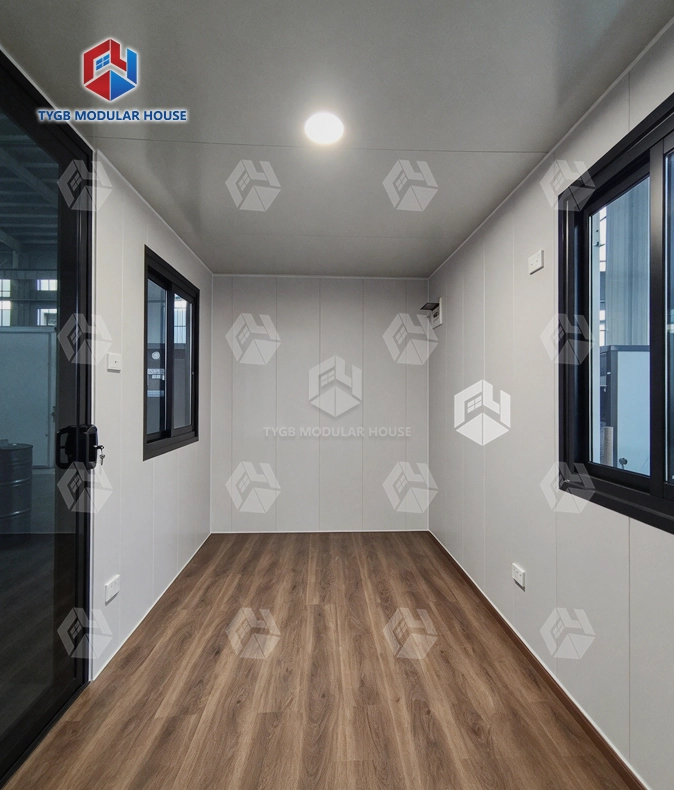
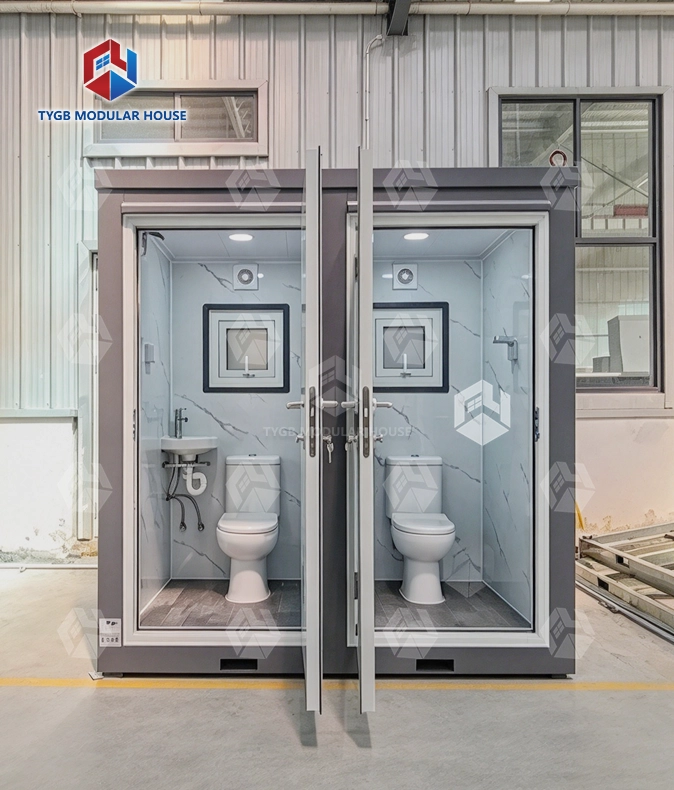
The unit comes in 20FT, 30FT, and 40FT sizes from TYGB. There are Standard, Premium, and Deluxe models in the 20FT range. Each has 37 of living space, which is about 398 sq ft, and an interior height of 2260, 2400, or 2600 mm. The 30FT model costs 58Ⅵ, which is about 624 square feet, and the 40FT model costs 72⎥, which is about 775 square feet. There is a toilet, a glass sliding shower, a mirror, and a vanity in each unit's bathroom. There is also a kitchen cabinet and double-glazed aluminum doors and windows. It comes with a 20FT trailer mount that lets you move the unit to a different location.
Can a Portable Expandable Home Generate Attractive Airbnb Returns?
Build the Full Landed Cost
A quote from the factory for a mobile expandable living pod is just the beginning. The price you were quoted for the land includes ocean freight, customs, inland delivery, unloading, foundation work, utility connections, permits, furniture, insurance, landscaping, and more. I tell buyers to ask for prices using a clear Incoterm, like FOB or CIF, so that all of the quotes cover the same things. Your engineer should confirm the foundation choices you make, like slabs, piers, or steel supports, based on the soil, how well it drains, and how much wind it gets. To see which costs change based on unit count and which stay the same at each site, you can make a separate list for each cost.
Estimate Revenue and Net Income
Gross annual income is equal to Average Nightly Rate × Occupied Nights. When you take out Airbnb's host service fee, cleaning, utilities, taxes, maintenance, and empty nights, you get net operating income, which is a more accurate picture. Get your nightly rate from listings close to your site that are similar, and then make three cases: a conservative, an expected, and an optimistic one. Camps depend on seasonal demand the most, so plan carefully for the months when it's not busy. To find the nites that make you even, divide the annual fixed and financing costs by the amount of money that each booked nite makes after variable costs. The project has a safety net in case break-even is much lower than the occupancy you thought it would be.
Delivery Speed and Opening Dates
Price and timing both affect how much money you make. TYGB's production lead time is 4–5 weeks, but it depends on how many orders we have. We can do both small custom orders and larger runs. To that window, add ocean transit, clearing customs, and getting the site ready. Working backward from the beginning of your busy season is a good idea. Then, add a buffer for weather and permits. If a unit isn't being used during peak season, it costs you money every nite, so make sure that shipment dates work with your booking calendar. When units come pre-wired and pre-plumbed, the last step of connecting them on-site is also shortened.
Portable Expandable Home vs. Other Airbnb Accommodation Options
Compared with Traditional Construction
A regular cabin lets you pick any style you want and works well for a permanent flagship building. It also needs a full foundation, weeks of tradespeople working on-site, and more weather risk while it's being built. With a portable expandable home, most of the work is done in a plant, which means there is less damage to the site. That's important on sensitive land, where guests may be bothered by heavy machinery and long building periods. The downside is that factory formats have fixed building sizes, but TYGB lets you change the layout, height, cladding, deck, and roof. Having a unit that you can take apart and move around is helpful if the land's use changes.
Compared with Container and Modular Units
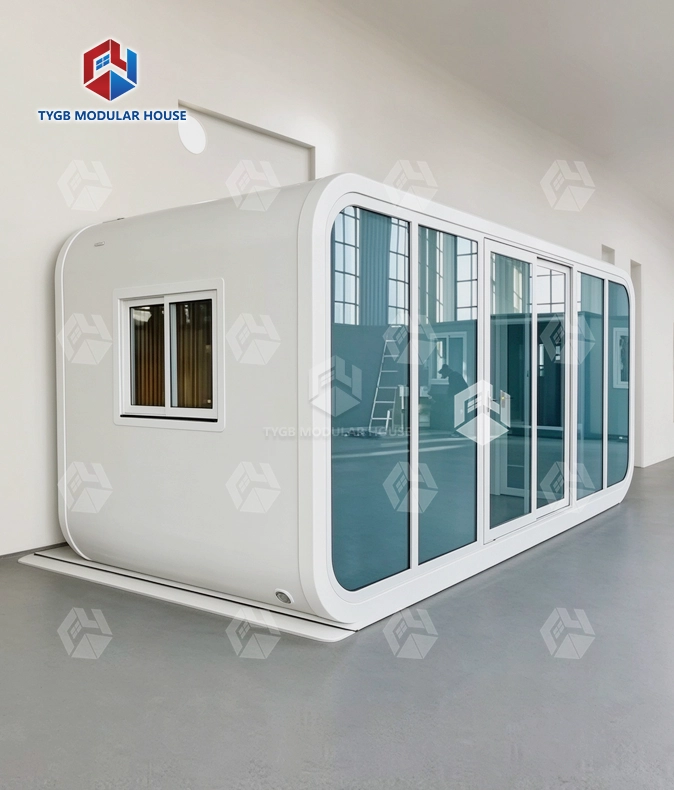
Container homes are good for small, industrial layouts, but the steel-box width limits the amount of space inside, and the look can be plain. Some guests notice that look right away, which can make your nightly rate go down. The 20FT unit can be expanded to make a floor that is 6270 mm by 5470 mm. You can choose the color of the cladding, glass, deck, roof, and frame (white, black, or gray), so the unit looks like a place to stay instead of a shipping container. Full modular buildings may work for larger blocks with more than one unit, but they usually come in bigger, heavier modules. Make sure the format fits the style of your site and your brand.
Matching Layouts to Your Guests
Sort the layouts by the type of guest. People traveling alone or with a partner like having privacy and a good bathroom. Families need a place to store things, a kitchen cabinet, and enough room to sleep. For long-stay guests, the kitchen and air flow are important. Check the passageways, door sizes, and cleaning access as well, as these can affect the time it takes to turn over items. The 20FT size is good for small retreat cabins, while the 58′′ and 72′′ sizes are better for families who need more space. The 20FT has 7 windows, the 30FT has 7–11 windows, and the 40FT has 11 windows. The doors and windows all come with a fly screen. Our engineers will make layouts and 3D models for you to look over after you give them your guest profile.
Permits, Safety, and Climate Checks for Airbnb Installation
Confirm Zoning and Permits First
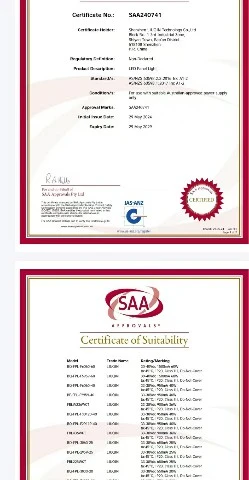
While "portable" does not mean "permit-free" for a portable expandable home, before you place your order, check with your local planning office about things like zoning, building approval, occupancy classification, short-term rental licenses, sewerage arrangements, and fire safety rules. Each county and city has its own rules, so there isn't a single answer that works for all sites. Send the office the test documents and drawings that your manufacturer gives you. Our certificate set includes ISO 9001, ISO 14001, ISO 45001, CE, SAA, Watermark for AU/NZS, and SGS reports. We also offer installation manuals, certificates, and test reports in more than one language. Set up the permit path before shipping so that a finished unit doesn't have to sit in storage for too long.
Structure, Fire, and Wind Performance
The frame is where guest safety starts. The galvanized steel frame has stronger supports and thicker columns. It has a Class A fire rating, a Level 11 wind rating, and a Level 9 seismic rating. Your site may still need a wind-load check by an engineer. For example, AS/NZS 1170.2 is used for wind actions on structures in Australia and New Zealand. AU and CE standards are used for TYGB wiring, and PPR water pipes and PVC drainage pipes are used for plumbing. The rules for wiring in Australia and New Zealand are set by AS/NZS 3000, and the rules for plumbing are set by AS/NZS 3500. Your electrician or plumber can use these as guides. Set up smoke and carbon monoxide alarms and make sure the emergency exits are clear before your first guest arrives.
Insulation and Weather Durability
Your reviews are safe with comfort. The outside walls are made of 75 mm EPS sandwich panels, the inside walls are made of 50 mm EPS, and the roof is made of 50 mm EPS sandwich board with 1.5 mm galvanized steel in the middle and 1.8 mm fiberglass waterproof board on the sides. These layers help with sound and temperature comfort, which is important for good sleep. The windows and doors are made of aluminum and have double glazing. TYGB also tests for wind, earthquake, fire, sound insulation, and waterproofing performance, and they use their own waterproofing systems for walls and floors. For places with a lot of snow, flooding, or air near the coast, you should get engineering advice that is specific to that area. A rating does not replace a local assessment.
Operating, Buying, and Scaling Your Units
Furnish and Operate for Strong Reviews
You can only make money from a portable expandable home after you furnish it. Spend money on Wi-Fi, smart locks, security lighting, heating and cooling, kitchenware, appliances, beds, bedding, and instructions for guests. Pick finishes that will last and are easy to clean. The standard floor for TYGB is 18mm sanding board with 2mm vinyl, and the optional floor is 18mm MgO board with 4mm SPC click flooring. By standardizing appliances across units, you can teach your staff the same way to use them and keep spare parts in one place. Regularly check the plumbing, electrical, doors, windows, seals, and electrical systems. TYGB gives out maintenance guides and lists of spare parts, and original replacement parts are always available.
Common Mistakes When Buying a Portable Expandable Home
Most people make the mistake of picking a supplier based only on factory price. A lot of things can change the final price, like freight, customs, foundations, lifting equipment, utilities, furniture, and permits. Another mistake is buying before checking the rules for zoning or wastewater, which can lead to extra costs or a unit that can't be used. Weak layouts also hurt review scores because they leave room for less storage, less privacy, or less air flow. Before the delivery day, check the location, width of the road, and access to the site. In writing, you should ask for drawings, lists of materials, warranty terms, and records of quality control. You can check these things out for real by going to a factory or demo house.
A Procurement Checklist and Staged Rollout
Make a project brief that includes information about the site, the climate, how the utilities will be set up, the floor space, the budget, the delivery date, and any customizations that need to be made. Send the same RFQ to all of the suppliers and ask for drawings, materials, insulation, lead time, warranty, spare parts policy, installation support, and the sizes when folded and expanded. Factory and demo-house tours are welcome at TYGB.
Video tours are also available, and the company ships items in shock-resistant ocean-grade packaging. On top of that, we take care of OEM projects and small production orders. Our structural frame comes with a 36-month warranty, and our wear-and-tear parts come with a 10-month warranty. Then, stage your rollout: look at the suppliers, see if it's possible, get one pilot unit, have guests review it and keep track of the costs, and then place a bigger order.
Conclusion
When investors see it as a whole project instead of a unit price, a portable expandable home can help investors make money from Airbnb rentals. The best plans start by finding out how many glamping and cabin stays guests want. They then test the landed cost, net operating income, and break-even nites with low-risk assumptions. It's easy to move because it comes in a folded transport format, has factory-fitted utilities, insulated panels, and a galvanized steel frame. The layout, cladding, and finish options help the unit look unique. If a unit opens on time, it's still up to permits, wastewater arrangements, wind loads, and local engineering checks. Before owners add more units, they can get proof through a pilot installation, written supplier documents, and regular maintenance.
FAQ
Q1: Can a portable expandable home support long-term stays?
A: Perhaps. Before you place your order, check with your local planning office to make sure. Approval is based on local zoning, occupancy classification, and building rules. Also, find out if your insurance company needs the drawings and certificates from the manufacturer.
Q2: How do delivery and installation affect total cost?
A: They charge extra for freight, customs, unloading, foundation work, and utility work on top of the factory price. TYGB takes 4–5 weeks to make something, depending on how many are ordered. It is easy to compare scope when you ask for FOB or CIF quotes.
Q3: Can I customize the look and interior?
A: Yes. You can choose a different height, cladding, deck, roof, trailer, glass color, kitchen, and cabinets. You can also change the layout. You can get frames in white, black, and gray. Our engineers make changes to the drawings until you agree with them.
Q4: What warranty does TYGB offer?
A: There is a 36-month warranty on the structural frame and a 10-month warranty on the wear-and-tear parts. We also help with installation through documents, videos, and online engineer support.
Q5: Is the unit ready to use after delivery?
Every unit leaves the factory already wired and plumbed, so it's ready to connect. After the utilities are hooked up, the space is ready to be furnished, and you don't have to bring the finishes to the building with you.
Request a TYGB Portable Expandable Home Proposal for Your Airbnb Project
Portable Expandable Home Manufacturer TYGB has its own design, production, and export teams. We will make floor plans, 3D renderings, and a quote for you after you send us information about your site, the number of units you need, the layout, and the date you need them by. The frame comes with a 36-month warranty and can be fully customized. Delivery takes 4–5 weeks, and you can plan an on-time opening. Send an email to paulpan@tygbhouse.com.
References
1. Airbnb Help Center, Host Service Fees, 2024.
2. Standards Australia and Standards New Zealand, AS/NZS 1170.2 Structural Design Actions: Wind Actions, 2021.
3. Standards Australia and Standards New Zealand, AS/NZS 3000 Electrical Installations (Wiring Rules), 2018.
4. Standards Australia and Standards New Zealand, AS/NZS 3500.1 Plumbing and Drainage: Water Services, 2018.
5. International Organization for Standardization, ISO 9001 Quality Management Systems, 2015.
Online Message