Nov 24, 2026
Modern low maintenance outdoor kitchen design layouts
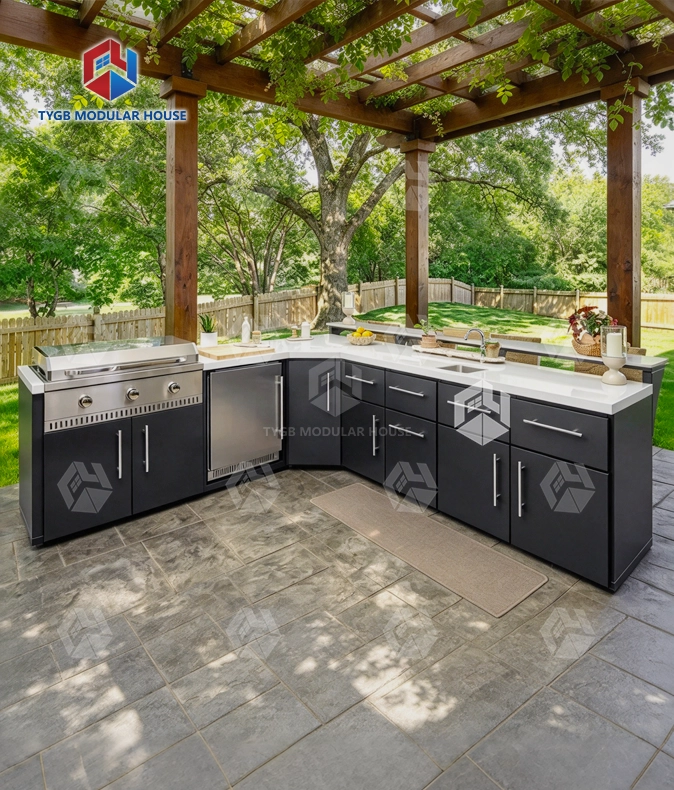
The greatest contemporary low maintenance outdoor kitchen designs are simple. Straight-line or L-shaped plans work well for most patios. Modular units may be extended later. With non-porous surfaces, a rust-proof frame, and sealed joints, rain, sun, and grease shouldn't be an issue. Cleaning takes minutes with adequate drainage and easy access to the service. I created this tutorial for lifelong, low-maintenance outdoor kitchens. Below, I compare layouts, materials, weather protection, prices, and supplier inspections. I also demonstrate the TYGB modular unit's placement.
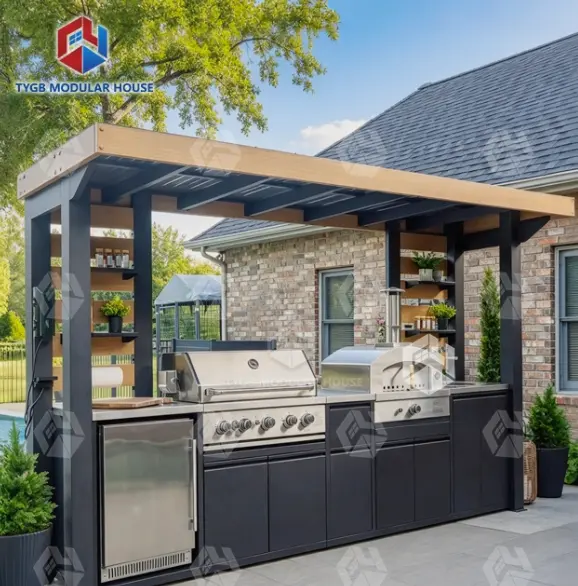
Step 1—Choose a Modern Outdoor Kitchen Layout Based on Space and Use
Straight-Line and L-Shaped Layouts for Compact Spaces
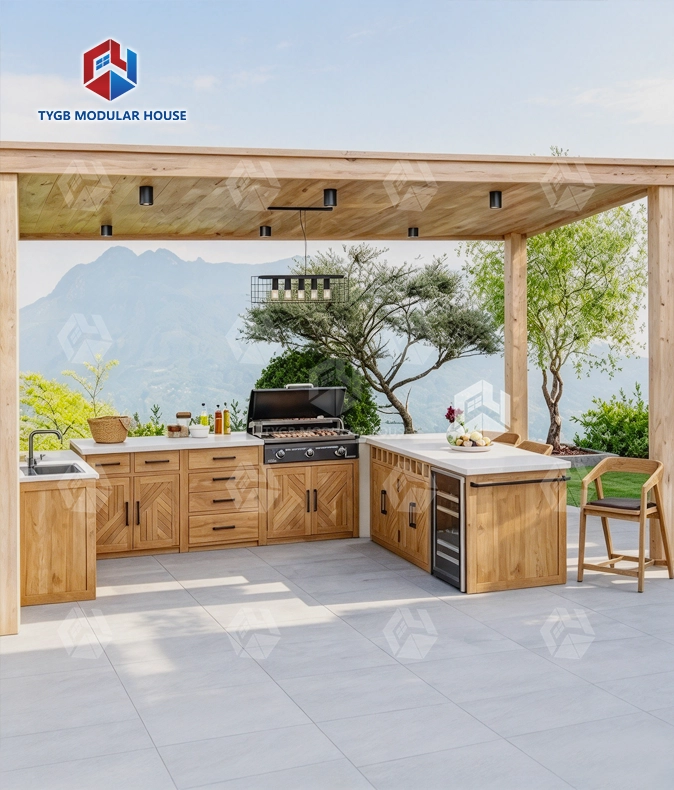
The grill, the prep area, the sink, and the storage are all in one straight line. There aren't many corners, which is good for courtyards and narrow patios because corners tend to get dirty, wet, and greasy. With an L-shaped layout and a short return, you can use one area for cooking and the other for prep or serving. From what I've seen, these two shapes work for most home projects. They keep gas and plumbing runs short, too, so you don't have to build as many joints and check them later. I start with one of these two when space is limited.
U-Shaped, Galley, and Island Layouts
Villa gardens and business terraces that receive a lot of usage benefit from U-shaped and galley layouts, which store more gear. Better planning is needed to keep smoke and heat away from the cook and visitors. Keep garbage and debris away from the grill line and provide space between runs. On an island or peninsula, the kitchen is a gathering spot. While cooking, visitors sit on the opposite side. This enables social cooking.
Modular Layouts and Expandable Sizes
A modular kitchen is perceived as a single, pre-built item. You can cook, store, and clean in the TYGB low-maintenance outdoor kitchen. It may fit in a courtyard, patio, villa garden, or business terrace at 20–40 feet. Builders benefit from a distinct size range, reducing project surprises. Stores can stock more easily. The manufacturer fits each item, so crews spend less time assembling things on site. Make sure you know your footprint, access route, and utility points before ordering.
Step 2—Select the Best Low Maintenance Outdoor Kitchen Materials
Frames: Stainless Steel and Coated Metals
Chrome, at least 10.5% of stainless steel, produces a thin layer to protect the surface for the stainless steel modular kitchen. Grades matter. Type 316 handles coastal salt better than type 304 because of molybdenum. Powder-coated steel comes in many colours, but it must be thoroughly prepared and covered all edges to prevent corrosion at incisions. ISO 9223 rates atmospheric corrosivity from C1 (extremely low) to CX (severe), therefore a patio in the midst of the country and a pool deck near the water have different needs. Ask suppliers what conditions their frames function best in. The TYGB low-maintenance outdoor kitchen uses all-weather, anti-corrosion materials.
Non-Porous, Scratch-Resistant Countertops
Most damage is to countertops. Natural stone and untreated wood absorb fluids, staining them. You must sand, seal, or resurface to remove them. Not having pores on top saves work. Spilt oil, sauces, alcohol, and seasoning linger on the TYGB unit because it's hard to scratch. Cleaning with a towel after cooking completes the task. No sealing or resurfacing needed. For context, ASTM C373 is the standard test for ceramic tile impermeability. Impermeable tile absorbs 0.5% water OR less. Lower absorption is crucial outdoors.
Hardware, Seals, and Finishing Details
Breaking frames and counters usually precedes minor pieces. The same sun and rain affect feet, drawer slides, hinges, and screws. Choose rust- and UV-resistant fasteners and seals. Touching different metals may accelerate corrosion, so keep them apart. Check for clean welds, rounded edges and few screw heads. Each crevice collects oil and moisture. ASTM B117 salt spray test compares coatings under the same circumstances, however it can't estimate service life. Request test results instead of generalisations. TYGB lists CE, ISO, AU/NZS, ASTM, and SGS for this item; request the matching paperwork.
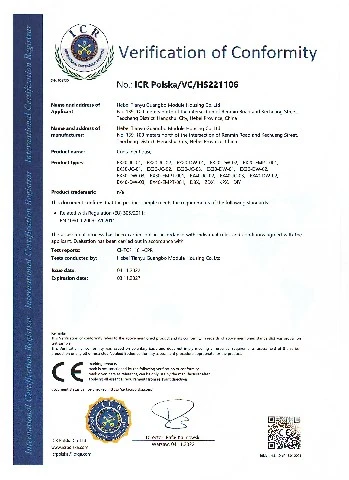
Step 3—Protect the Kitchen From Weather and Keep Cleaning Simple
Build Weather Protection as a System
An outdoor kitchen requires many weatherproofing layers. Think weatherproofing as a system. Although a pergola, roof, or retractable cover may filter UV rays and rain, the kitchen must be designed to survive in any climates. For year-round usage, the TYGB device blocks wind, rain, and sun. Seal countertop seams, slope it, and add drip edges to prevent water pooling. Keep airflow open, utilise outside appliances, and install heat shields around cabinet fires. ISO 12944-2 classifies situations as C1–C5 and CX. You may clearly discuss your supplier exposure using this.
Drainage, Elevation, and Service Access
Standing water causes the greatest concealed harm to the low maintenance outdoor kitchen. Put cabinet bases on adjustable feet to elevate them. Splashes will dry out without hitting the frame. If you live near a pool, have the washbasin drain well and keep moist surfaces away from electrical outlets. Plan inspection locations and removable trays to access plumbing without disassembling the kitchen. If local codes vary, have a qualified expert connect the lines. I always place service clearance behind and beside appliances. Quick fixes are preferable than demolition.
A Cleaning Routine You Can Keep
Easy-to-clean surfaces start with fewer grooves, fasteners, and grooves. Only a brief routine remains. Remove standing food and water after each cook. Grates and surfaces should be cleaned weekly. Check connections and seals monthly. Check coatings, joints, hardware, and drainage annually. Coastal residents should rinse salt off more regularly using pure water. Keep food preparation, cooking, washing, and disposal areas separate. The area will also be cleaner. Since the top isn't porous and the frame doesn't corrode, upkeep is minimal.
Step 4—Compare Layout Options and Estimate Cost
Modular, Built-In, and Masonry Compared
Built-in kitchens let you choose the exact size and style you want, but they can make it hard to get to services. Masonry or indoor-grade cabinets can keep water in and make repairs harder. Because modular systems are already designed, they are easier to move, set up, replace parts, and add on to. This saves time on the schedule for a contractor who does a lot of work during the season. It's easier to quote for a store or brand owner. It's still a good idea to use built-in work when a client wants a unique design that goes around a pool or a wall. When speed and consistency are important, I choose modular. When the site needs a unique shape, I choose built-in.
Design Ideas by Project Type
Fit the strategy locally. Small terraces benefit from straight-line or L-shaped units, sealed counters, and a retractable cover. Swimming pool kitchens need non-absorbing surfaces, elevated cabinets, and a clear gap between wet and dry parts. Hospitality terraces need zoned design, commercial equipment, changeable panels, and simple servicing. Seacoast sites require sealed hardware, proper drainage, and salt flowing. When builders reuse these blueprints, they may standardise sizes and cuts, speeding up quotation. Customisable countertops, sinks, and grills allow TYGB to accommodate diverse consumers with one basic design.
Budget and Installation Checklist
A sensible budget goes beyond unit pricing. List the frame, countertop, sink, grill, utility connections, drainage, shelter, site preparation, shipment, installation, spare parts, and warranty support. B2B customers should consider the product's pricing, "landed cost," "installation cost," and "lifetime maintenance cost." Before manufacture, check sizes, floor loads, access routes, utility capacity, and local codes. Only licensed specialists should do gas, electrical, plumbing, construction and drainage work. To ensure customers and workers do the job correctly, TYGB provides multilingual installation guidelines and accessory lists, remote assistance via video and visual lessons, and online engineer support.
Step 5—Build a Procurement Specification and Choose a Supplier
Write a Clear Specification
A suitable specification for the low maintenance outdoor kitchen considers corrosion resistance, UV stability, water management, heat tolerance, load capacity, ease of cleaning, climate, and everyday usage. Request finish samples, test results, installation guidelines, warranty terms, packing details, and part replacement policies. Many purchasers start with a trial order of one or two units, utilise it in a model project, or test it with local clients, then order more. Stores should order seasonal goods early since that route takes time. Making TYGB takes 4–5 weeks, depending on demand. Also consider delivery time.
TYGB Low Maintenance Outdoor Kitchen at a Glance
For those who want to know more about the TYGB low maintenance outdoor kitchen, here it is.
| Item | Detail |
|---|---|
| Configuration | Cooking, meal preparation, storage, and cleaning in one unit |
| Countertop | Non-porous, scratch-resistant |
| Material | All-weather anti-corrosion construction |
| Expandable size | 20ft–40ft |
| Customizable parts | Countertops, sinks, grills |
| Warranty | 10 months (wearing parts); 36 months (frame) |
| Standards | CE, ISO, AU/NZS, ASTM, SGS |
| Lead time | 4–5 weeks, depending on quantity |
These facts answer the first questions buyers have, which are about durability, size range, warranty, and delivery time. The factory already sets up each unit, and TYGB packs them in ocean-grade shock-resistant boxes so they can be shipped by sea.
How to Select the Right Supplier
Match the strengths of the supplier to your job. Homeowners want help with design, and buying teams want clear total costs and reliable lead times. Engineers need compliance papers, drawings, and data on materials. Brand owners and distributors want production that can be repeated and packaging that gets there in good shape. TYGB does research and development, welding, coating and spraying, CNC forming and bending, and has two automated production lines.
It can handle both large-scale and small-scale custom orders. Some of the services they offer are pre-sales consultation with floor plans and 3D renderings, quality control with testing before shipment, the ability to import and export on your own, and long-term original replacement parts. You can take tours of the factory and demo house, or you can do a virtual tour by video conference.
Conclusion
The first step in creating a low maintenance outdoor kitchen is to plan it out. Straight-line and L-shaped plans work best on small sites, while U-shaped and island plans are better for heavy use. Modular units make shipping, installing, and growing easier. The materials determine how much maintenance is needed. Frames that don't rust, hardware that doesn't leak, and countertops that don't scratch or absorb water make cleaning as easy as wiping them down.
Protecting against the weather works best as a system of shelter, drainage, raised bases, and service access, with a light routine done once a week and once a year. The cost planning process should separate the product price, the landed cost, the installation cost, and the maintenance cost. The buying requirements should be based on drawings, test reports, warranty terms, and information about the packaging. All of these points show that the performance over time depends on the whole assembly, not just one part or material.
FAQ
Which layout is easiest to maintain?
Most of the time, an L-shaped or straight-line layout takes the least amount of work. It has shorter utility runs, fewer corners where water and grease can gather, and easy access to each section for wiping, inspecting, and fixing it.
Is a modular kitchen easier to maintain than a built-in one?
Most of the time, yes. A pre-engineered modular unit makes it easier to replace parts and get to the service area. Masonry or indoor-grade cabinets that are built in can hide water damage and cost more to fix.
When do I need a professional installer?
For gas, electrical, plumbing, structural, and drainage work, you should only hire a licensed professional. Check your local building codes first. With a simple modular unit that is already put together, there is less work to do on-site.
How long does production take?
Depending on how many you order, making TYGB takes 4–5 weeks. Add time for shipping, and place seasonal orders well ahead of time, like six months before spring.
Plan Your Modern Low Maintenance Outdoor Kitchen Layout With TYGB
Email paulpan@tygbhouse.com with the size of your site, your preferred layout, your countertop and sink choices, and the number of items you want to order. We use ocean-grade shock-resistant packaging, pre-fit each unit at the factory, and offer sizes that can be expanded from 20ft to 40ft as a low maintenance outdoor kitchen manufacturer. Depending on how much is made, it takes 4–5 weeks. For more information, go to tygbhouse.com and ask our engineers to help you choose a layout for your project.
References
1. International Organization for Standardization, ISO 9223 Corrosion of Metals and Alloys: Corrosivity of Atmospheres, 2012.
2. International Organization for Standardization, ISO 12944-2 Paints and Varnishes: Corrosion Protection of Steel Structures by Protective Paint Systems, Classification of Environments, 2017.
3. ASTM International, ASTM B117 Standard Practice for Operating Salt Spray (Fog) Apparatus, 2019.
4. ASTM International, ASTM C373 Standard Test Methods for Determination of Water Absorption and Associated Properties of Ceramic Products, 2018.