Sep 24, 2026
Can a towable expandable house be moved easily
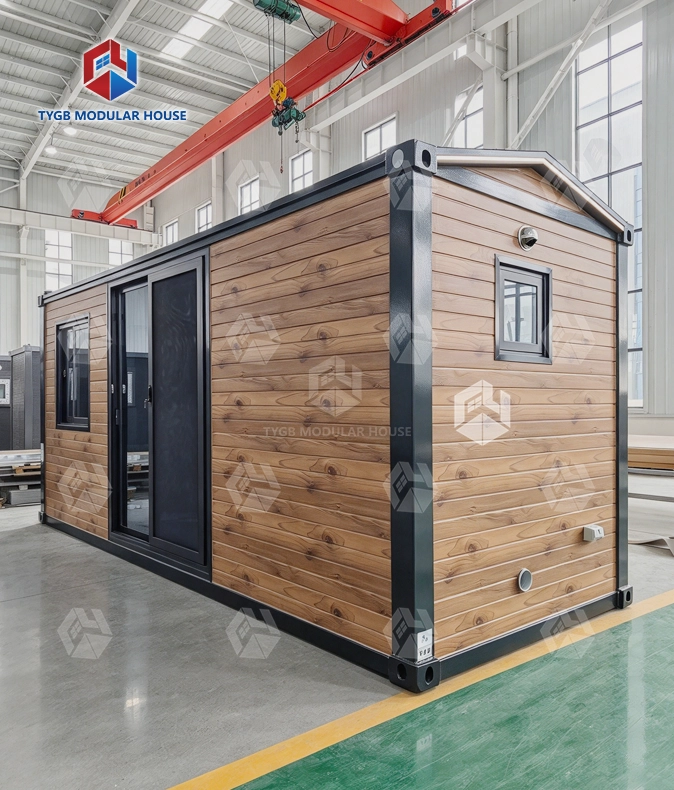
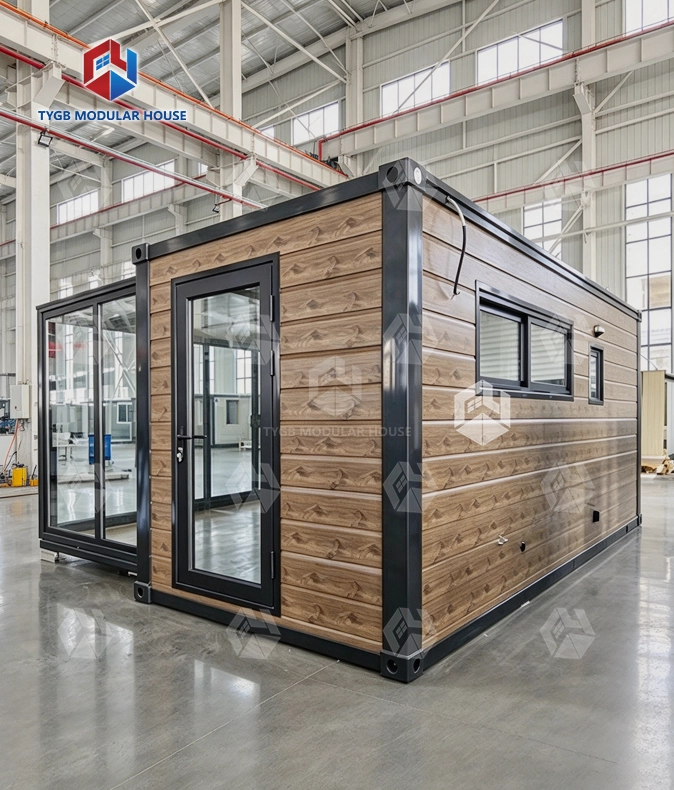
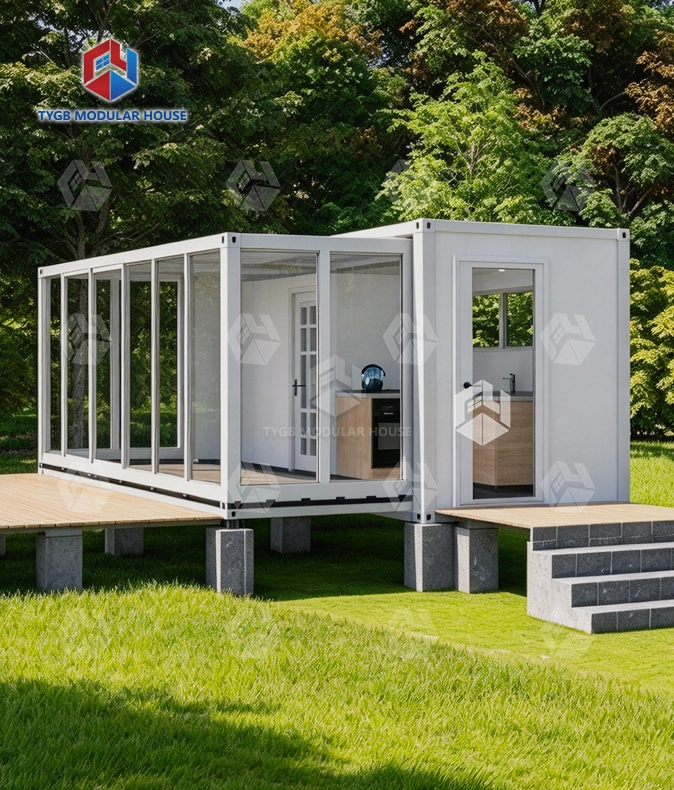
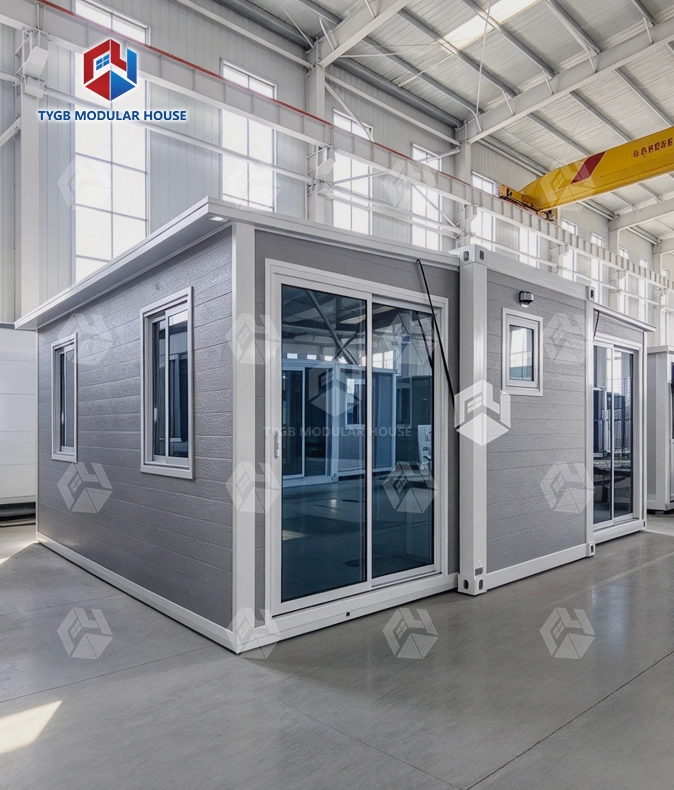
Yes, a towable expandable house can be moved easily — provided the unit is designed with mobility as a core engineering priority. These structures compact to a road-legal transit width of approximately 2.25 meters and expand to a full living footprint of up to 6.3 meters or more on-site. Unlike traditional manufactured homes, a well-built expandable unit travels on its own registered chassis, requires no crane for relocation, and can be fully deployed by two people in under 20 minutes. For RV manufacturers, glamping developers, and rental fleet operators, this level of portability changes the economics of mobile accommodation entirely.
Understanding Towable Expandable Houses and Their Mobility
What Makes Them Different from RVs and Tiny Homes
A tiny house that stays in one place is not the same as a towable expanded house. It is a unique type of containerized modular unit that is placed on a heavy-duty multi-axle chassis. It is designed to be able to change from a small transport setup to a fully habitable increased size. Fold-out wing sections, which can be controlled by either a manual or an electric winch, make the interior floor area much bigger without changing how the unit is towed during transport.
How Towing Actually Works in Practice
The standard types are made to be pulled by a heavy-duty SUV or pickup truck that can pull up to 5,000 pounds, or 14,000 pounds when fully loaded. A standard 2-inch or 2-5/16-inch ball hitch is usually built into the chassis. High-quality units come with built-in brake controllers, stabilizer jacks, and anti-sway systems to make sure you can drive safely on the highway. The electrical connections and water inlet/outlet ports are already set up so that you can quickly hook them up at any campground or off-grid site.
Weight, Dimensions, and Road Regulation Compliance
Businesses that handle cross-state or cross-border services must follow all traffic laws. Most units can be moved with a width of up to 8.5 feet (2.59 meters), which is the widest width that all 50 U.S. states allow without a special permit. Units with hot-dip galvanized Q345B steel frames and PU sandwich panel walls keep the structure light while still being able to hold 250 kg/m² of weight on the floor. This means they meet all federal and most state transportation standards.
Key Factors Affecting the Ease of Moving a Towable Expandable House
Fold-Out Mechanism Design and Construction Materials
The fold-out method is what makes towable expandable house easy to carry. The side walls and floor additions can be extended in a controlled, repeatable way with hydraulic or electric-winch expansion systems. Frames made of galvanized Q345B steel don't twist when towing over long distances, and high-density PU or stone wool sandwich panels keep the weight of the walls low without lowering the heating R-value (above 3.5) needed for year-round living. Lighter wall assemblies directly lower the gross vehicle weight, which makes more tow vehicles possible.
Safety Features That Protect the Unit During Transit
The frame is not the only thing that affects the structure's strength during road travel. These built-in safety features are the most important to procurement teams:
- AL-KO or equivalent suspension systems absorb road shock and prevent chassis flex across uneven terrain, protecting expansion hinge points from fatigue.
- EPDM rubber expansion seals lock the fold-out sections in place during transport, preventing panel movement and water infiltration at the joint lines.
- Chassis brake systems with independent electric actuators keep stopping distances within legal limits even when the unit is loaded to capacity.
All of these design choices make it possible for the unit to journey thousands of miles without losing its structural integrity. This is very important for RV rental companies and summer resort owners.
Maintenance Practices That Preserve Long-Term Mobility
Inspections before and after a move are simple but important. Checking the EPDM rubber seals every six months and greasing the hinge points stops UV damage and keeps the airtight performance after many expansion and contraction cycles. Before each move, the chassis is aligned and the brake force is tested. This finds wear problems early on. Industry performance data on modular mobile structures shows that if operators stick to a written repair plan, the structures will usually last much longer than 15 years.
Towable Expandable Houses vs. Other Mobile Living Solutions
Towing Complexity and Legal Restrictions Compared
For traditional manufactured homes, you need professional delivery companies, wide-load permits, and pilot trucks, all of which cost a lot of money. RVs can move themselves, but they don't have much floor space and can't be expanded. Modular and prefab homes are set in place forever by crane. A towable expandable unit is in the middle. It lives like a cabin but moves like a travel trailer. Standard-width models don't need a special permit, and they don't need to be set up by a licensed contractor.
Cost-Benefit Analysis for B2B Procurement
It is easy to see why towable expandable house units make financial sense for business fleet use. Not putting in solid foundations saves money on permits and responsibility for site repair. Moving assets from one project site to another protects their value over the course of their fleet's lifecycle. For glamping property owners, one unit can bring in money in one place during the summer and another during the winter, which is something that fixed houses can't do.
Pros and Cons at a Glance
- Pros: No wide-load permit needed (standard width), fast on-site setup, no foundation required, strong resale value, compatible with most Class III or IV hitches.
- Cons: Interior volume is still smaller than a fixed cabin of comparable footprint; towing vehicle requirements may limit deployment in areas with poor road access.
The trade-off is usually good for owners who care more about moving assets around than having the most space.
Practical Considerations for Procuring Towable Expandable Houses for Easy Movement
Customization vs. Towability Trade-Offs
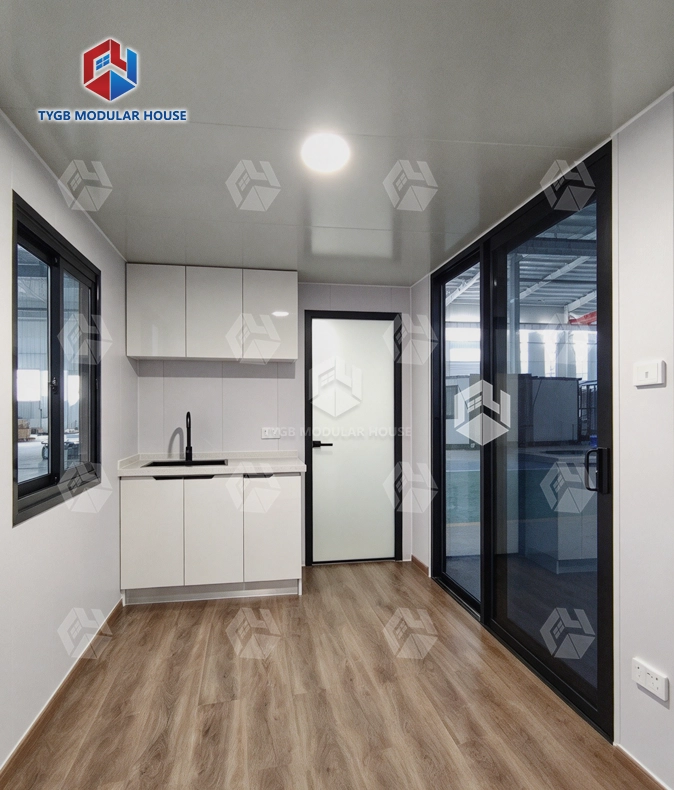
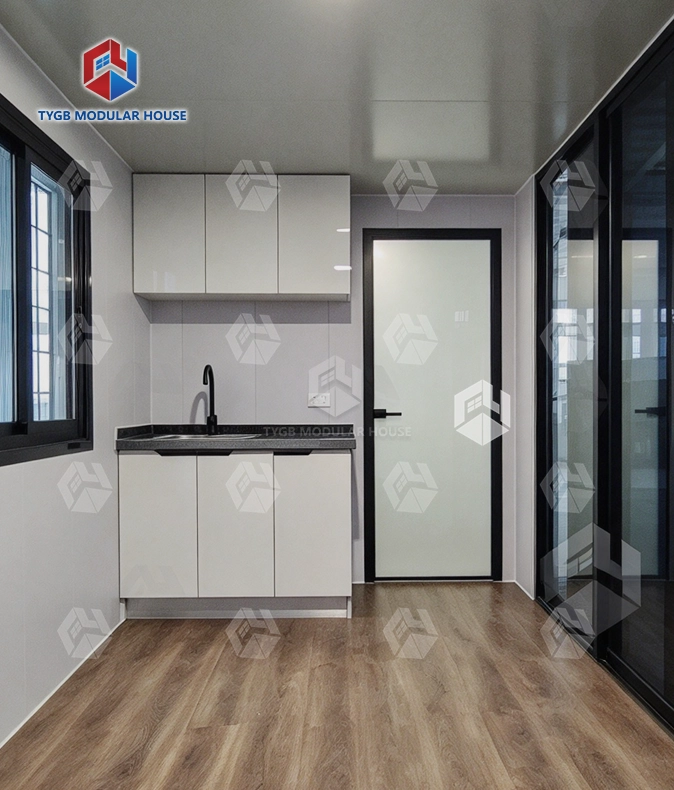
Adding interior features like full kitchens, bathroom modules, and HVAC systems makes the total weight of the loaded vehicle heavier. The procurement manager should work directly with the engineering team at the manufacturer to choose interior fit-out packages that don't go over the target gross vehicle weight rating (GVWR). Before production starts, TYGB does a feasibility study based on the site conditions and local environment. This makes sure that the final unit standard doesn't change its legal status for the road.
Budgeting for Shipping, Handling, and Maintenance
Standard 40-foot containers are used for ocean freight shipping for export orders, which keeps logistics costs stable. TYGB's units are made to fit inside standard containers, so you don't have to pay extra for flat-rack or open-top shipping. When figuring out the total cost over the product's lifetime, buyers should also include the cost of yearly repair kits with seals, lubricants, and fastener sets. They should also think about the 10-month warranty on wear parts and the 36-month guarantee on the structural frame.
Supplier Selection Criteria for Mobility-Optimized Units
Manufacturers with internationally recognized certifications like ASTM, UL, ISO 9001, and CE should be given priority when supplying towable expandable house. Before sending their products out, they should also do dynamic watertightness testing (ASTM E331), weld non-destructive testing, and 50-cycle expansion mechanism stress tests. These quality checks make sure that the unit will work reliably even after being towed and set up many times in the field.
Case Studies and Real-World Examples Demonstrating Mobility
Glamping Resort Seasonal Relocation
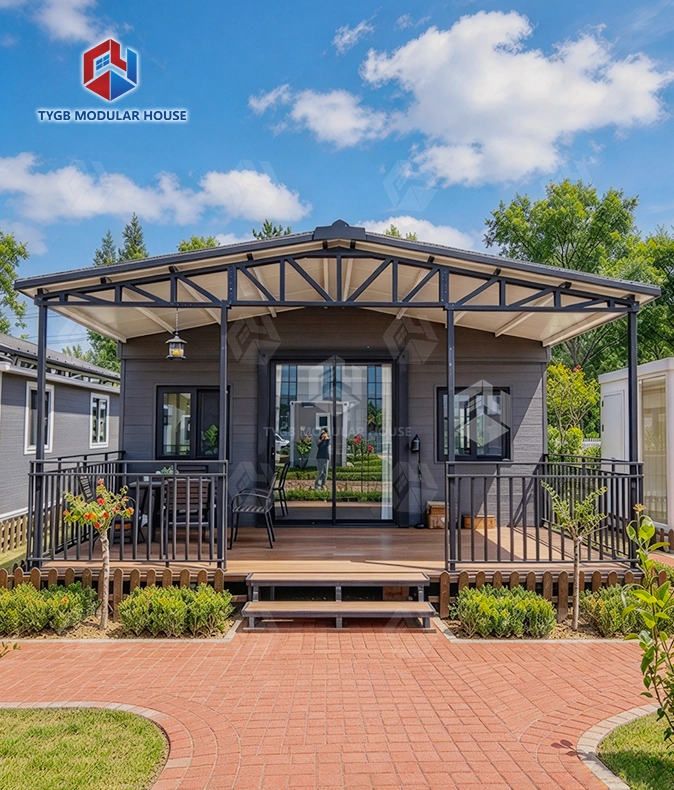
In the mountain West, a small glamping company moved a fleet of six expandable units from an alpine site in the summer to a desert site in the winter. Standard pickup trucks were used to move the whole fleet in two days. Each new spot took an average of 15 minutes per unit to set up on-site. At either spot, no base work was needed, and after two full seasonal rounds, the operator said there were no structural problems.
Remote Worksite Staff Accommodation
As living quarters for their staff, an energy sector contractor used towable expandable units on a pipeline inspection project that took place in three states. As the project went on, units were moved every four to six weeks. The contractor reported a 40% drop in costs compared to renting fixed temporary buildings. This was mostly because they didn't have to pay setup fees for the foundation and utilities over and over again.
Industry Best Practice Takeaways
Tow route planners who use state DOT oversize/overweight route tools to plan their routes ahead of time don't have to wait for permits. By using the same chassis hitch standard across a fleet, teaching drivers takes less time and costs less money. Scheduling checks of the expansion seals at each site move instead of on a regular schedule makes maintenance more in line with real use cycles and cuts down on unplanned downtime.
Conclusion
When the unit is built for that reason, it's easy to move a towable expandable house. These structures are really useful for commercial fleet operators, resort developers, and people in charge of housing on the job site because they have a road-legal compact width, a galvanized steel chassis, and a fast fold-out expansion system.
The most important thing is to choose a manufacturer whose quality control process, which includes everything from weld testing to waterproofing simulations, backs up their claims about mobility. As soon as those requirements are met, moving doesn't seem like a difficult task anymore.
FAQ
What is the maximum towing weight for a standard unit?
Most standard single-module expandable units have a gross vehicle weight rating between 7,000 and 14,000 lbs when fully furnished. A heavy-duty pickup truck rated for 12,000–14,000 lbs towing capacity handles the majority of configurations without modification.
Which vehicles are compatible for towing?
Class III and Class IV receiver hitches on trucks like the Ford F-250, Ram 2500, or Chevrolet Silverado 2500 are suitable for most configurations. Vehicle towing capacity must be verified against the specific GVWR of the loaded unit before each move.
How long does on-site setup take?
A two-person team can level, expand, and connect utilities for a standard unit in approximately 10 to 20 minutes using the integrated manual or electric winch system. No external equipment is required.
What maintenance does the expansion mechanism need?
Biannual lubrication of hinge points and inspection of EPDM rubber seals keeps the mechanism operating smoothly. The 50-cycle pre-shipment stress test confirms long-term mechanical consistency before the unit leaves the factory.
Are these units legal to tow across state lines in the U.S.?
Yes, standard-width models (8.5 feet / 2.59 meters) comply with transportation regulations in all 50 U.S. states without requiring a wide-load permit. Buyers should verify axle weight limits for specific routes.
Get a Quote from TYGB — Trusted Towable Expandable House Supplier
Mobility-engineered expandable units made by TYGB are certified to meet ASTM, UL, ISO 9001, and CE standards. They come with a 36-month structural warranty and a production lead time of 4–5 weeks. Whether you are building a fleet of glamping sites or looking for places for staff to stay while working from home, our team can help you find the best configuration for your needs. To get a price right away, email us at paulpan@tygbhouse.com or go to tygb.aixdb.cn.
References
1. Journal of Construction Engineering and Management — 2021
2. Modular Building Institute Annual Report — 2023
3. RV Industry Association Statistical Survey — 2022
4. ASTM International Standards for Building Materials (E331) — 2021
5. International Journal of Housing Science and Its Applications — 2020
6. Federal Highway Administration Oversize/Overweight Vehicle Permitting Guide — 2022